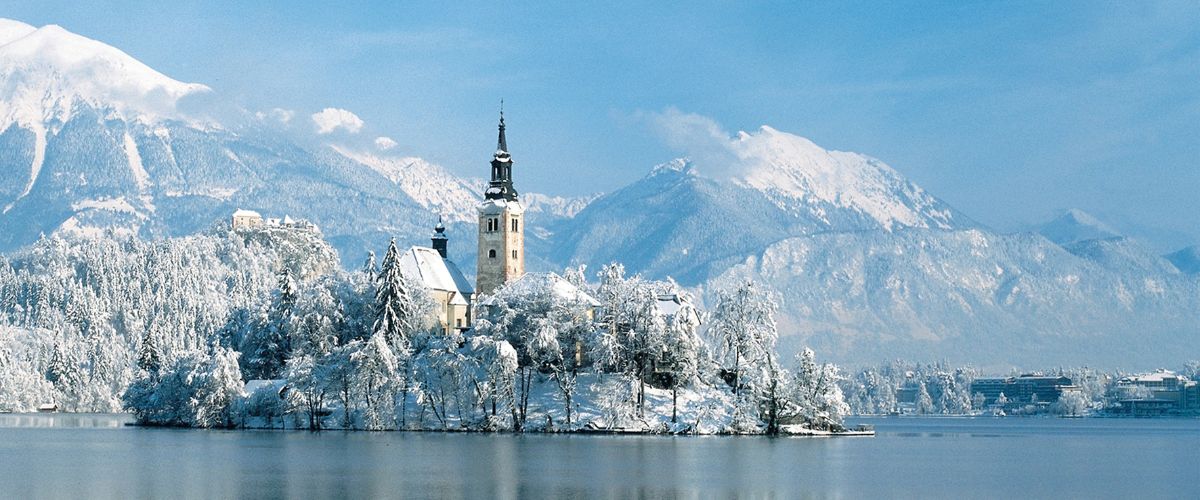

Swapping a hot Australian Christmas for a snowy European one is a plan plenty of our travellers have talked about for years. The catch is that a European Christmas can look very different depending on how you book it. Albatross Tours, the European small group specialists, splits its festive program into four distinct styles, and choosing the right Albatross Christmas tour starts with one simple question: where do you want to be on 25 December?
If you’d rather be home for Christmas lunch with the family, a market tour makes sense. If you want Christmas Day itself in the Alps, you’re looking at a Christmas Tour or a Christmas Holiday. And if one big celebration isn’t enough, a New Year tour can carry you well into January.
Here’s how each style works and the kind of traveller it suits best.
Christmas Market Tours: Home in Time for Christmas Day
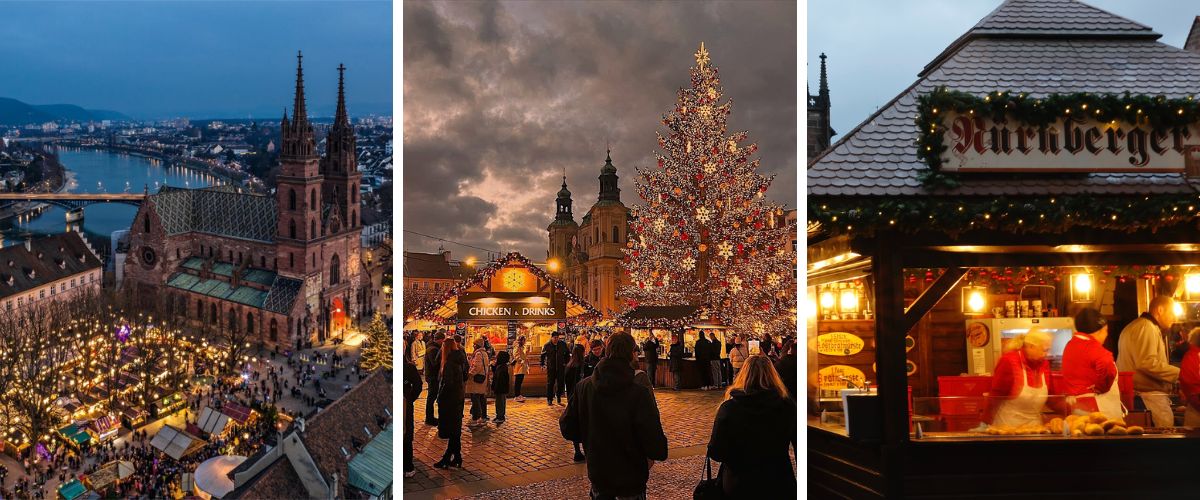
Albatross Christmas Market Tours depart between late November and early December, and they’re timed so you’re back in Australia before Christmas Day. You get the European markets at full swing, then Christmas at home with the people you’d usually spend it with.
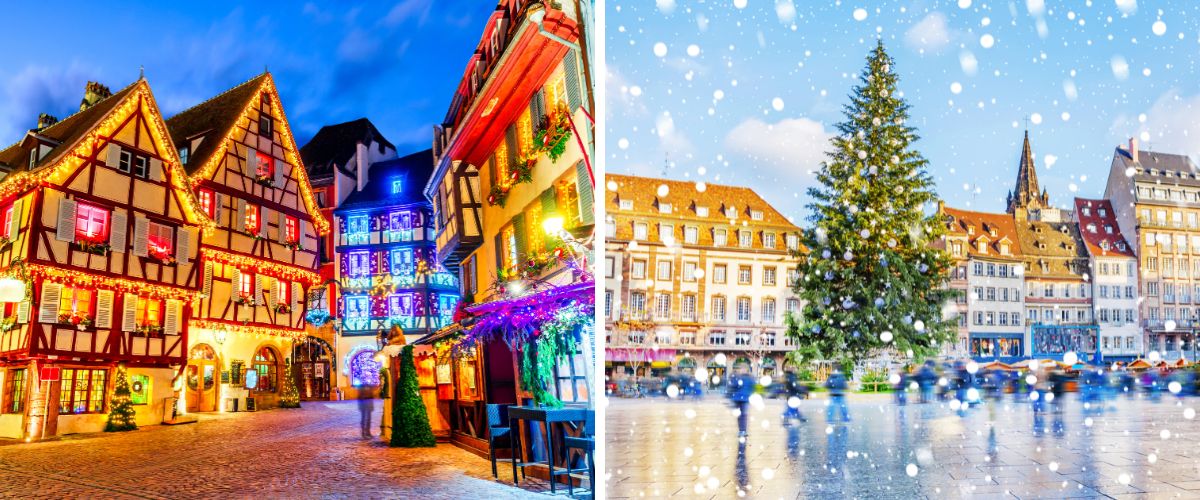
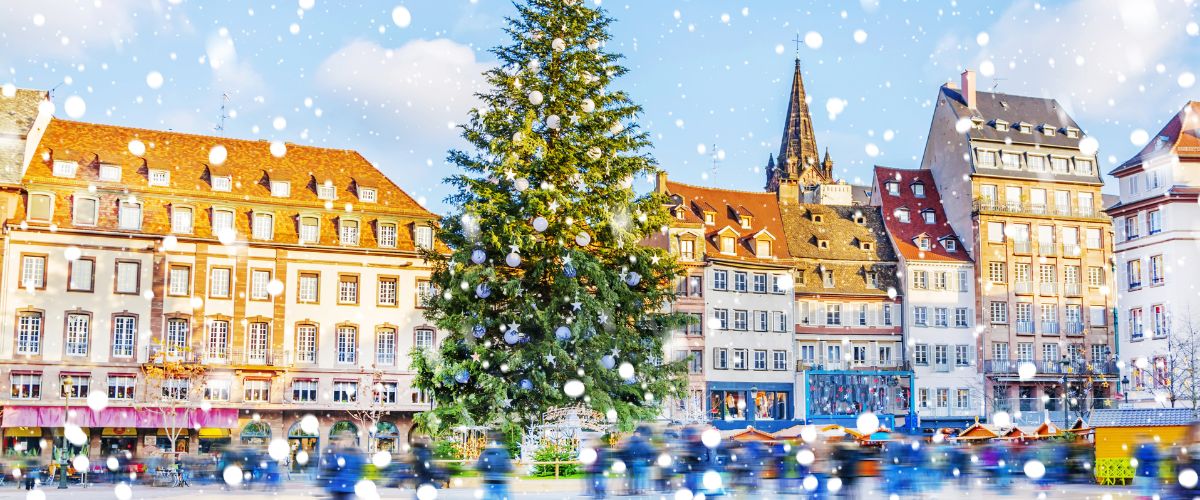
The markets themselves are the reason to go. Many have been running in the same town squares for hundreds of years, and they still feel like a local tradition first. Stalls sell hand-carved wooden decorations, gingerbread and roasted chestnuts, and mulled wine often comes in a souvenir mug you can bring home. After dark, with the lights on and the cold settling in, it’s a very different December to the one most Australians know.
Each country puts its own stamp on the tradition. Germany is the home of the classic Christmas market, with a Glühwein stand seemingly on every corner, while Austria and Switzerland add snowy alpine villages and mountain backdrops to the mix.
Albatross market itineraries combine the markets with time in historic cities and a few excursions into the mountains, so the trip never turns into a shopping run on repeat. Depending on the tour, you might pair German and Austrian markets with the old cities of Bohemia, or combine Swiss markets with a scenic rail journey through the Alps.
A market tour suits travellers who want the festive atmosphere of a European winter without missing Christmas at home. It’s also a good fit if you’d like a shorter trip, or a first taste of European winter before committing to a full Christmas away.
Christmas Tours: The Full Journey, With Christmas in the Mountains
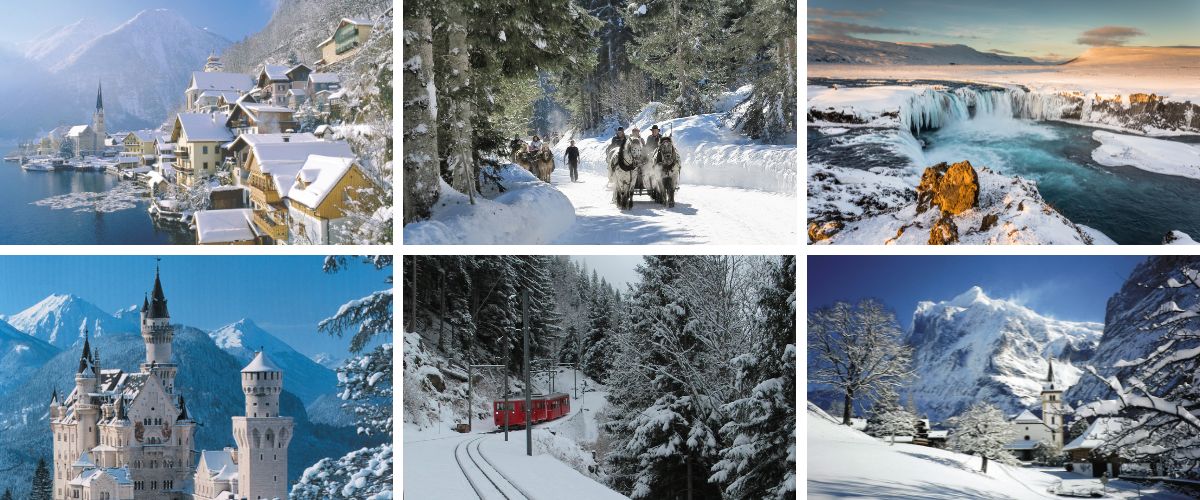
Albatross Christmas Tours depart from mid-December and include Christmas Day. Most begin with a few nights in one of Europe’s grand historic cities, then head into the snow to celebrate Christmas over three to six nights in a character hotel. Along the way you’ll visit Christmas markets, small mountain villages, old monasteries and castles.
This is the style to choose if you want to see more than one country and still have Christmas Day as the centrepiece of the trip. Where you spend Christmas is what sets these itineraries apart.
Some tours spend it in a castle. Christmas in an Italian Castle is a good example, pairing a castle stay with time in the ski town of Cortina d’Ampezzo in the Dolomites, and there’s a Slovenian Alps itinerary built around a centuries-old castle near Lake Bled. Others keep things classically alpine, with Christmas in a Swiss mountain village or beside an Austrian lake, where waking up to snow on Christmas morning is a real possibility.
If you love train travel, a few itineraries include a journey on the Glacier Express, one of Switzerland’s best-known scenic rail routes. And if old cities appeal more than ski slopes, the Bohemian itineraries put the imperial cities of Germany, the Czech Republic and Austria at the heart of the trip.
The exact line-up changes from year to year, so ask our team which itineraries are running for the season you have in mind.
A Christmas Tour suits travellers who like variety and enjoy moving between places, but still want a proper settled stretch over Christmas itself.
Christmas Holidays: One Hotel, Unpacked for the Week

Albatross Christmas Holidays depart from mid-December and base you in one specially selected hotel for six or seven nights. You unpack once, and each day you head out on included excursions or simply enjoy the village you’re staying in.
Itineraries vary from season to season, but the Austrian Christmas Holiday gives a good feel for how this works. You stay in Kirchberg in the Tyrol and take day trips to the Salzburg markets and the Silent Night Chapel, built on the site where the carol was first sung in 1818, before a traditional Christmas Eve dinner back at the hotel. In Switzerland, the Swiss Christmas Holiday is based in the car-free village of Wengen, with a snowshoe walk and a go at ice curling on Christmas Day. The German Christmas Holiday puts you in a castle hotel in the Black Forest, with visits to Freiburg and Triberg and a medieval banquet dinner.
Many Albatross itineraries also build in ‘My Time’, free time to spend however you like. In the mountains that might mean hiring a toboggan or taking the cable car up for lunch.
A Christmas Holiday suits travellers who prefer a slower pace and less time on the coach. It’s also a relaxed way to try European winter for the first time, especially if the thought of packing and repacking in the cold doesn’t appeal.
New Year Tours: Keep the Celebrations Going
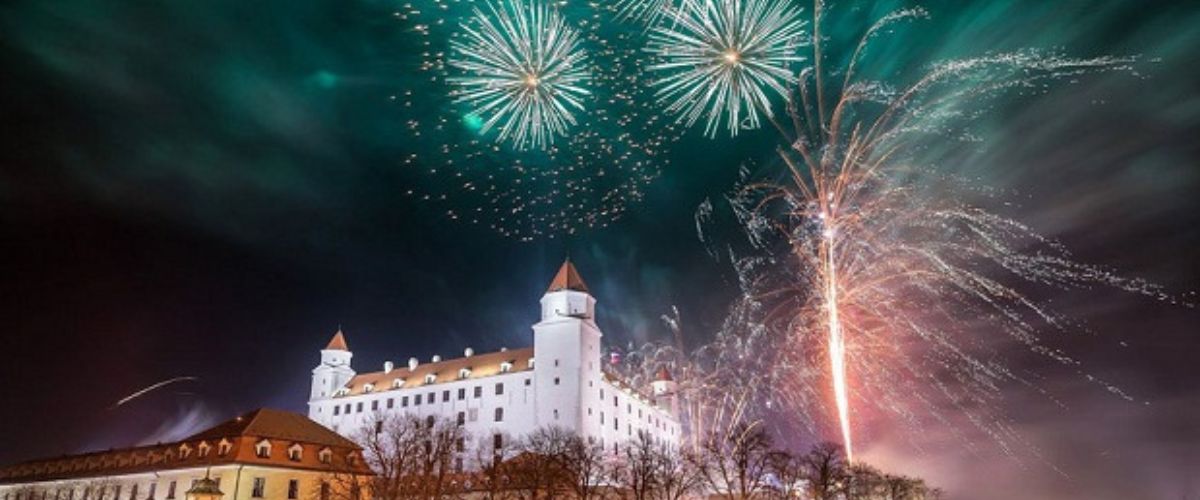
Albatross New Year Tours depart in late December. You can book one as a standalone trip, or add it to the end of a Christmas Tour or Christmas Holiday and see the year out in Europe before flying home.
It’s a natural extension if you’re already making the long trip over. Having come all that way, plenty of travellers find a few extra days well worth it.
If It’s Winter You’re After: Northern Lights
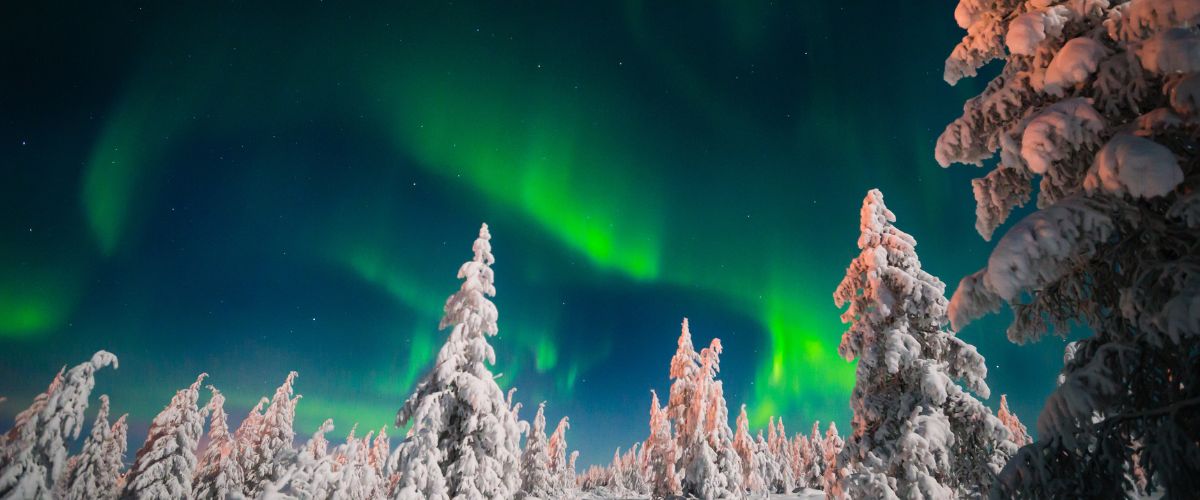
Not every winter trip needs to be about Christmas. Albatross Northern Lights tours depart from late February, heading into Iceland, Finland and Sweden when the snow is at its deepest. Alongside the search for the aurora, some itineraries include a night in an ice hotel and a husky sled ride. These suit travellers who want the snow and the scenery without the festive crowds, and who can travel outside the Christmas period.
What Every Albatross Festive Tour Has in Common
Whichever style you choose, the Albatross approach stays the same. Groups are small, and the pace is deliberately relaxed, with longer stays in each place so you have time to settle in rather than ticking off a new town every night.
Albatross designs its tours specifically for Australian and New Zealand travellers, and its pricing is genuinely inclusive, so the excursions and meals on the itinerary are already covered. An experienced Tour Manager travels with the group throughout, which makes a real difference in winter, when short days and icy streets can make getting around on your own hard work.
For a lot of our travellers, that combination is what makes a European Christmas feel achievable rather than daunting.
How to Choose the Right Albatross Christmas Tour
A few questions usually settle it.
Where do you want to be on Christmas Day?
At home with family points you to a Christmas Market Tour. In a snowy village in the Alps points you to a Christmas Tour or a Christmas Holiday.
How often do you want to pack your bags?
If you enjoy moving between cities and countries, a Christmas Tour gives you more variety. If you’d rather unpack once and stay put, a Christmas Holiday keeps you in one hotel for the week.
How long can you be away?
Market tours and Christmas Holidays tend to be the shorter options, while the longer Christmas Tours can run past two weeks. Adding a New Year tour stretches any of the Christmas options further.
Is it Christmas you want, or winter?
If the festive season is less important to you than the snow and the chance of seeing the aurora, a Northern Lights tour departing in late February may suit you better.
None of these have a wrong answer. They simply help us match you to the trip that suits the way you like to travel.
Why Book Your Albatross Christmas Tour With Us
We’ve been doing this since 1984, and we know a Christmas away from home takes a little more planning than most trips. We’ll talk you through each itinerary side by side and help you weigh up departure dates against how long you can be away.
December is a busy time to fly out of Australia, so we can also help you plan flights that fit neatly around your tour. Albatross runs special offers from time to time, so ask our team for current details when you get in touch.
Ready to Plan Your European Christmas?
Whether you’re drawn to the markets before Christmas or want to wake up in the mountains on Christmas Day, we’d love to help you find the right fit. Get in touch with our team for current availability and honest advice on which Albatross festive trip suits you best. Festive departures are released well ahead of time, so it’s worth starting the conversation early.
Click here to get in touch.
FAQs
What’s the difference between an Albatross Christmas Market Tour and a Christmas Tour?
Christmas Market Tours depart between late November and early December and get you home before Christmas Day. Christmas Tours depart from mid-December and include Christmas Day, usually celebrated over three to six nights in a mountain hotel.
Which Albatross Christmas tour involves the least packing?
Christmas Holidays. You stay in one specially selected hotel for six or seven nights and head out on day trips from there.
Can I combine Christmas and New Year in Europe?
Yes. Albatross New Year Tours depart in late December and can be added to the end of a Christmas Tour or Christmas Holiday, or booked on their own.
Are Albatross tours suited to Australian travellers?
Yes. Albatross designs its tours specifically for Australian and New Zealand travellers, and an experienced Tour Manager travels with every group.
When should I book a European Christmas tour?
Earlier is better, as December is a peak time for flights out of Australia and festive departures can fill. Talk to our team about current dates.