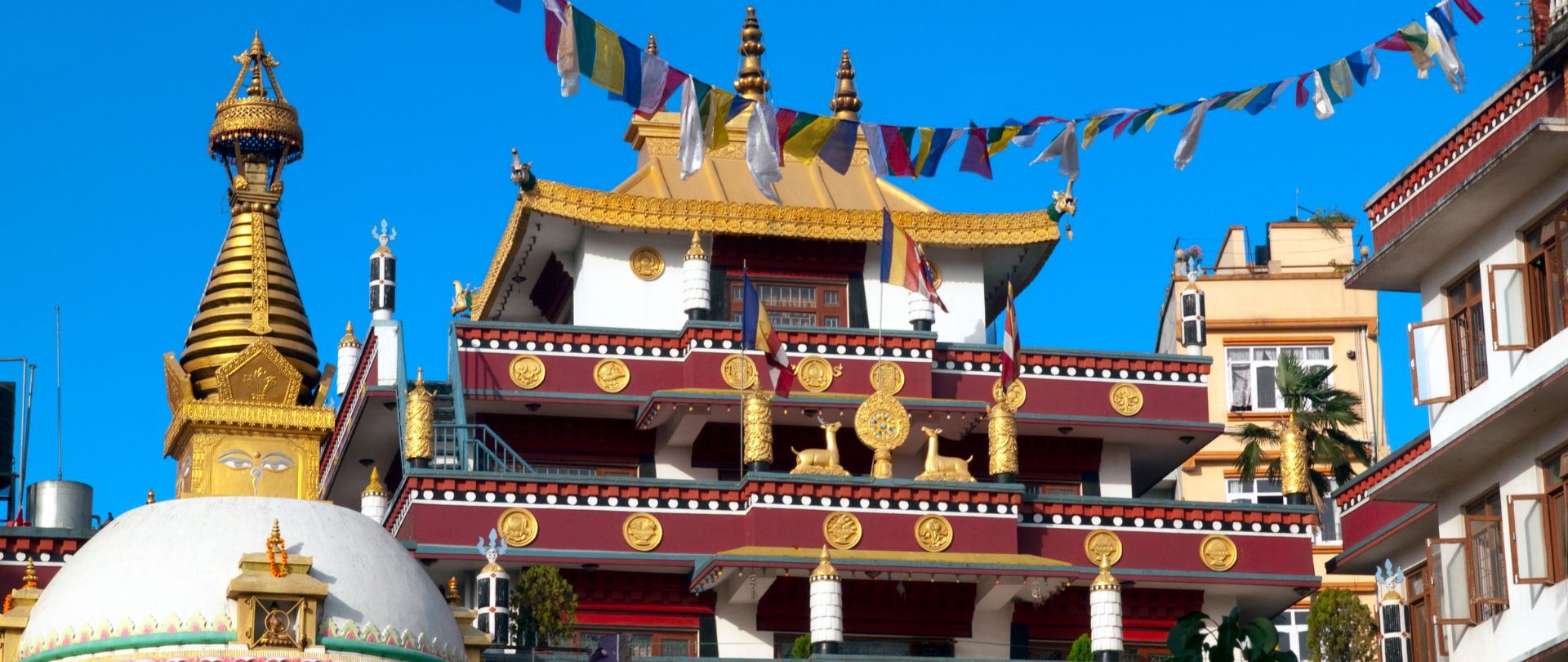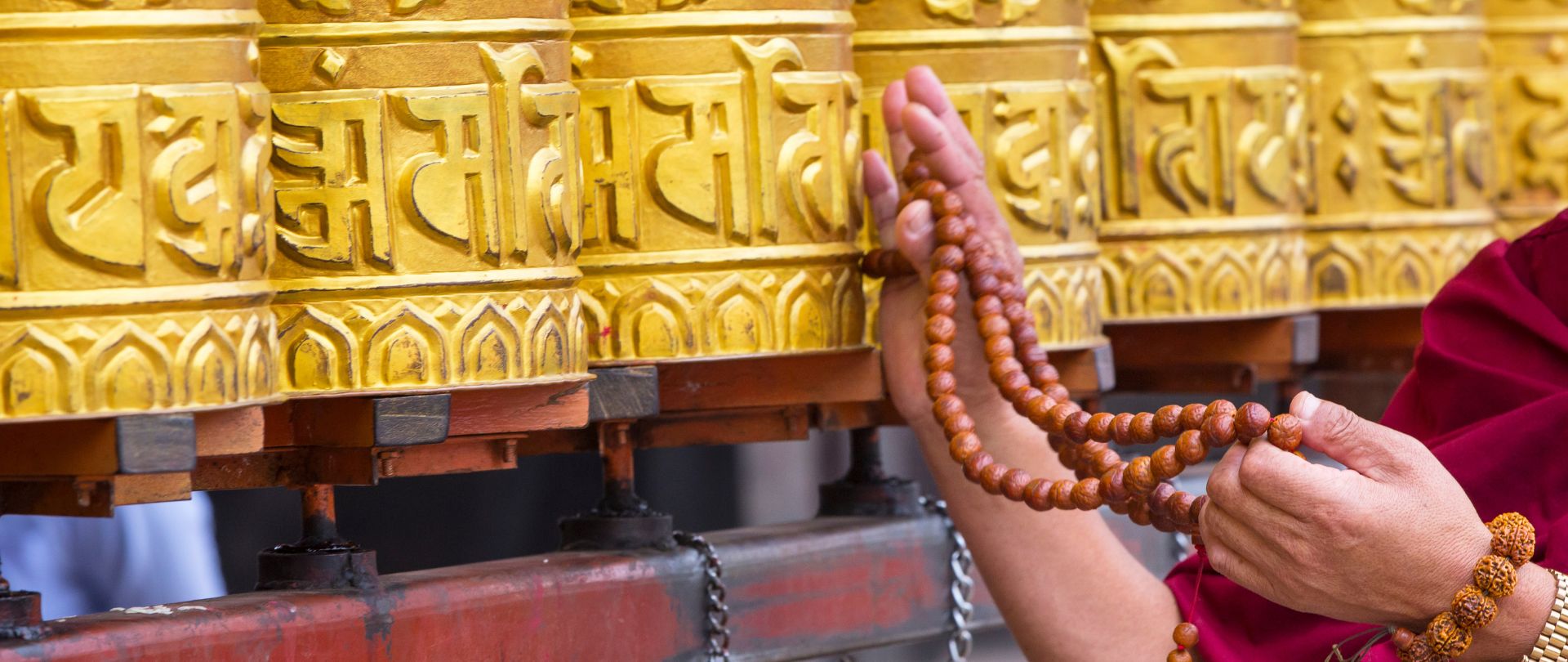
The Tiji Festival is a deeply spiritual celebration held in Nepal’s remote Upper Mustang, a region where ancient Tibetan culture remains a part of everyday life. Across three remarkable days, monks in elaborate masks and robes perform sacred dances, prayers and rituals passed down through generations, each one calling for peace and harmony in the Himalayas.
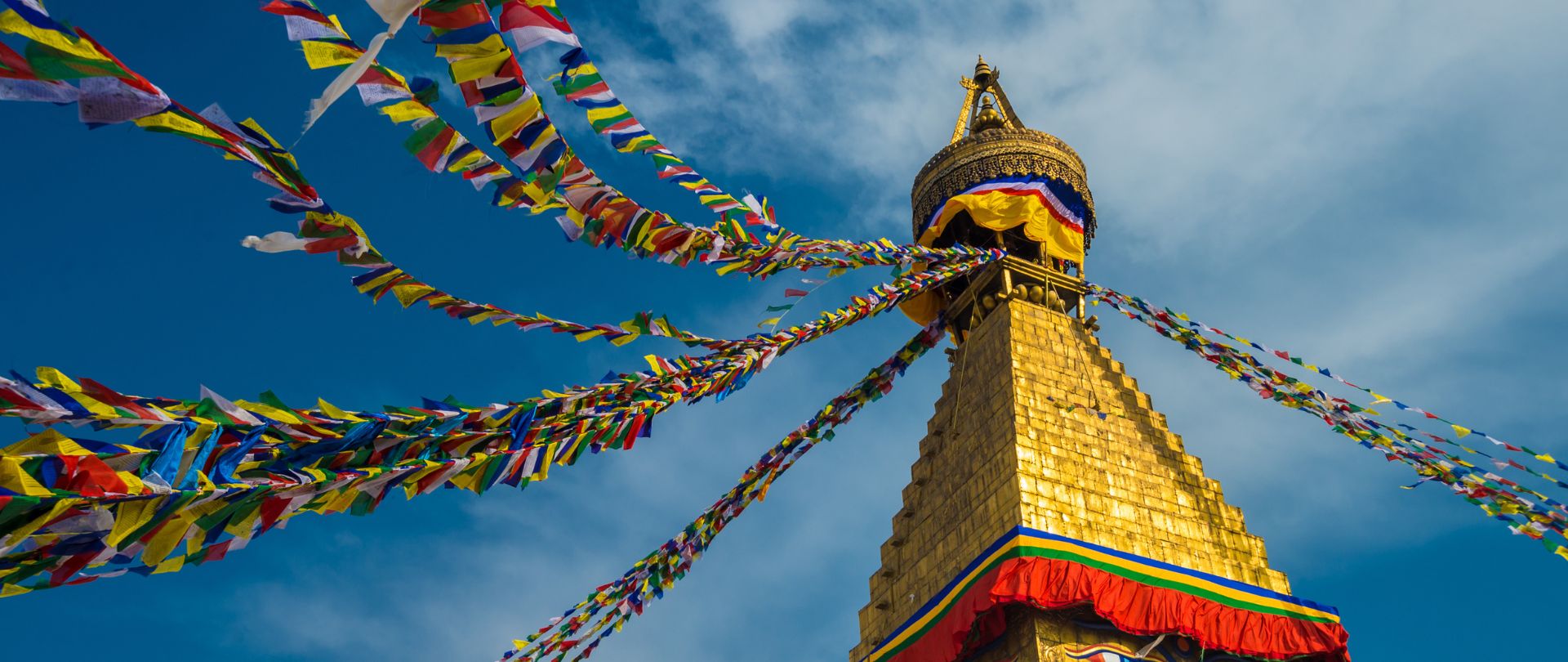
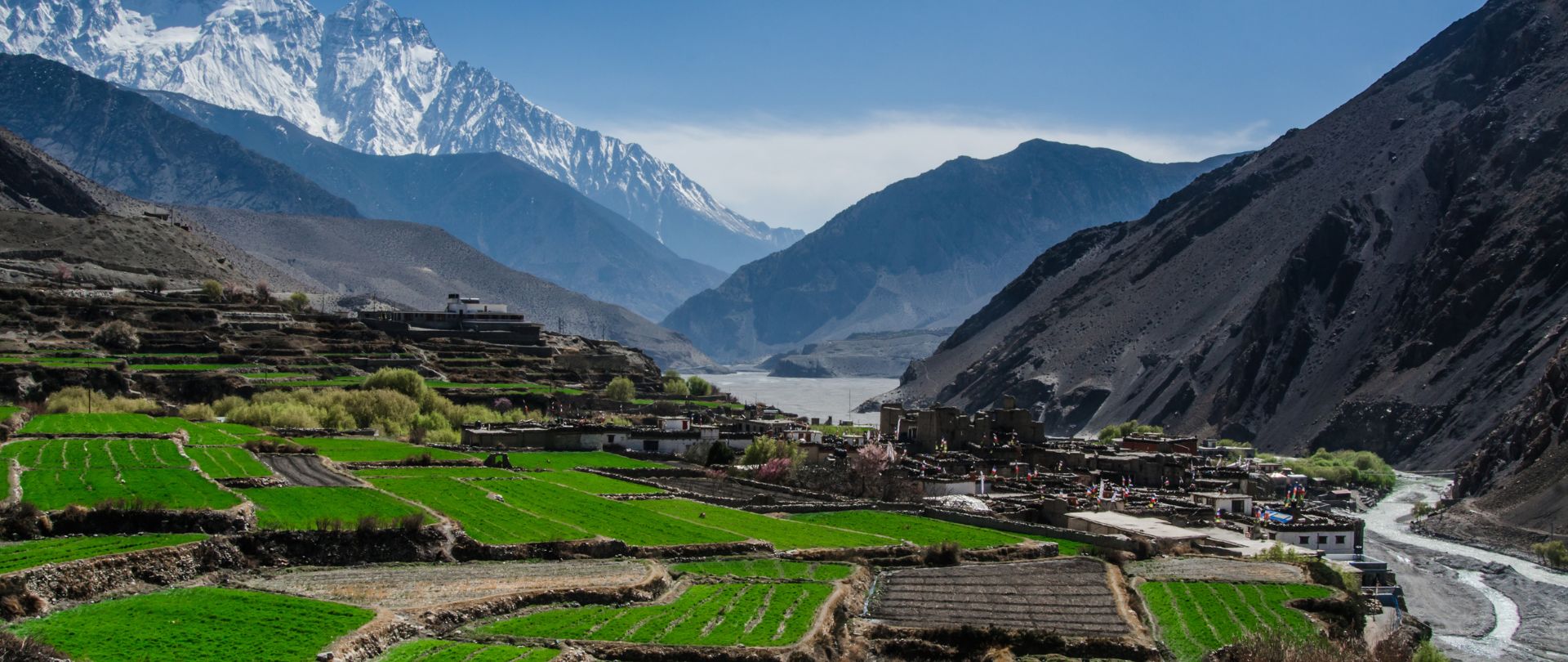
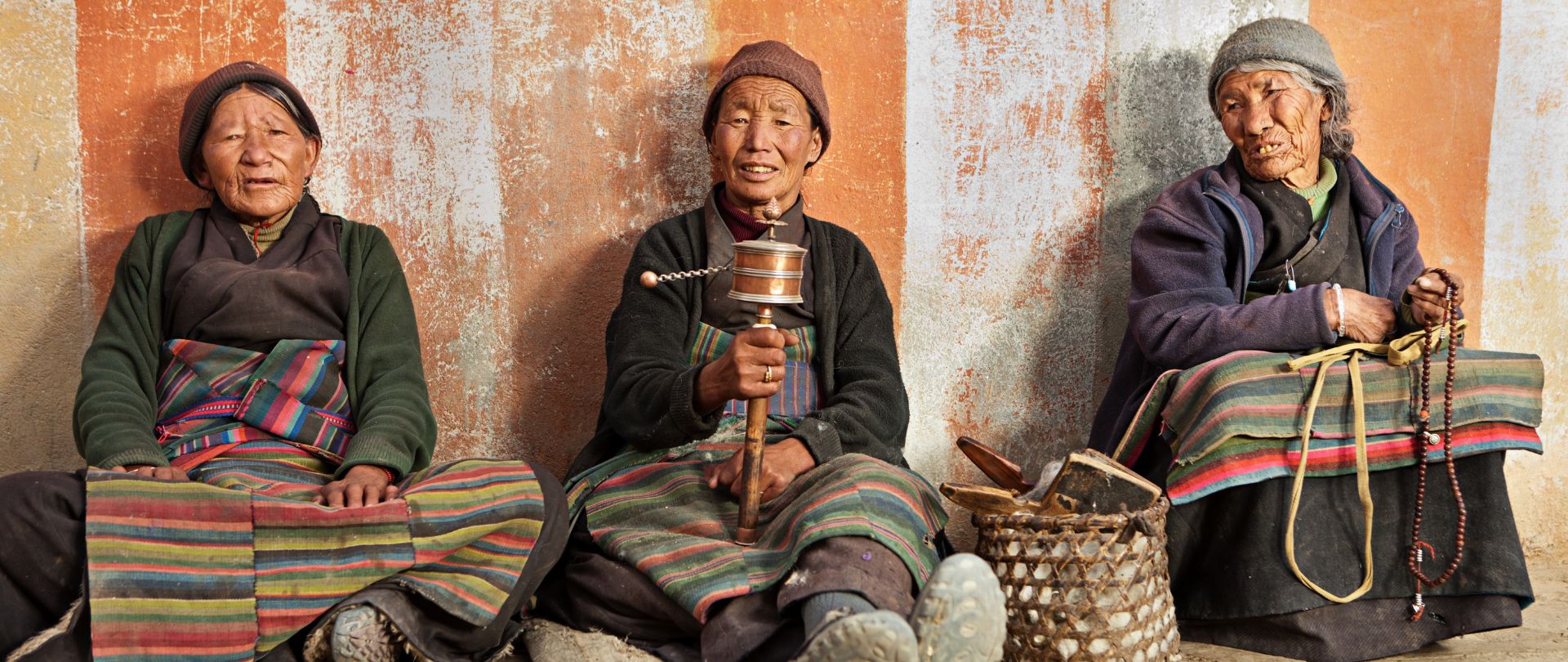
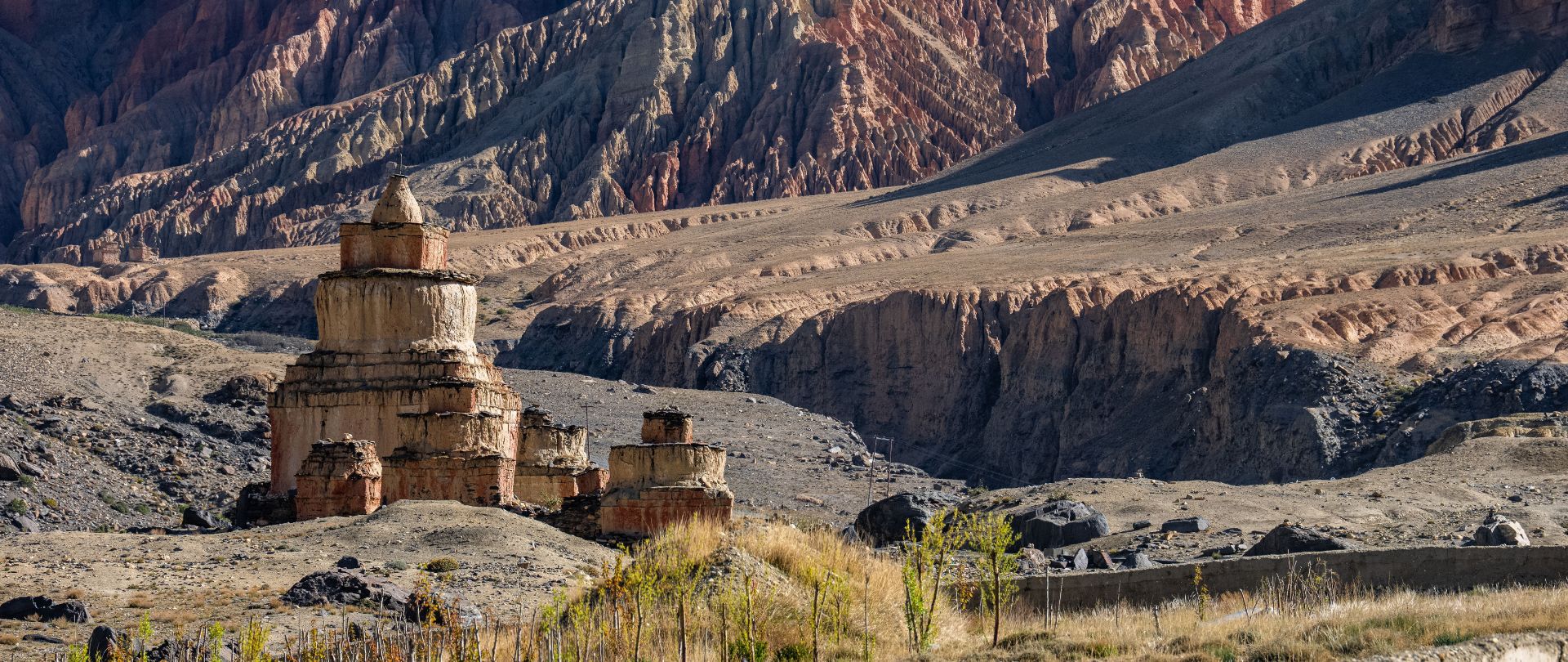
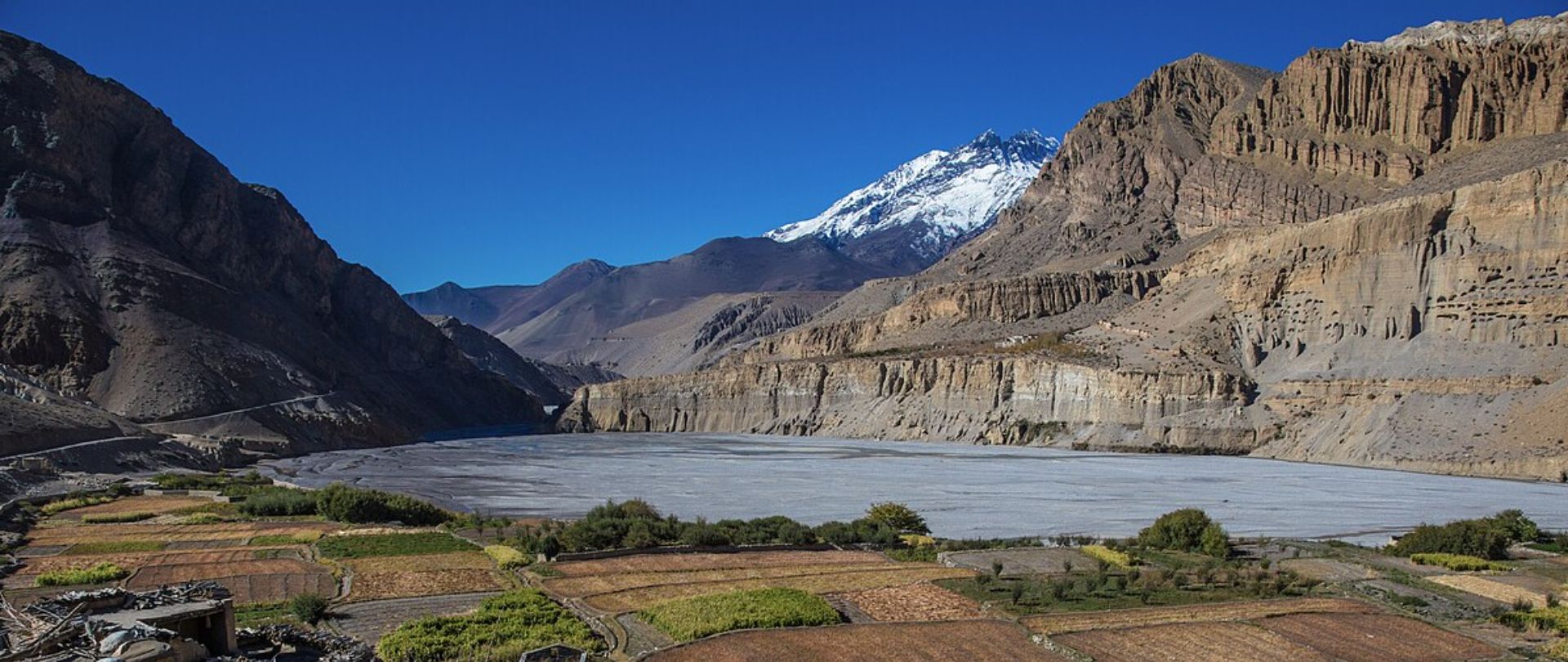
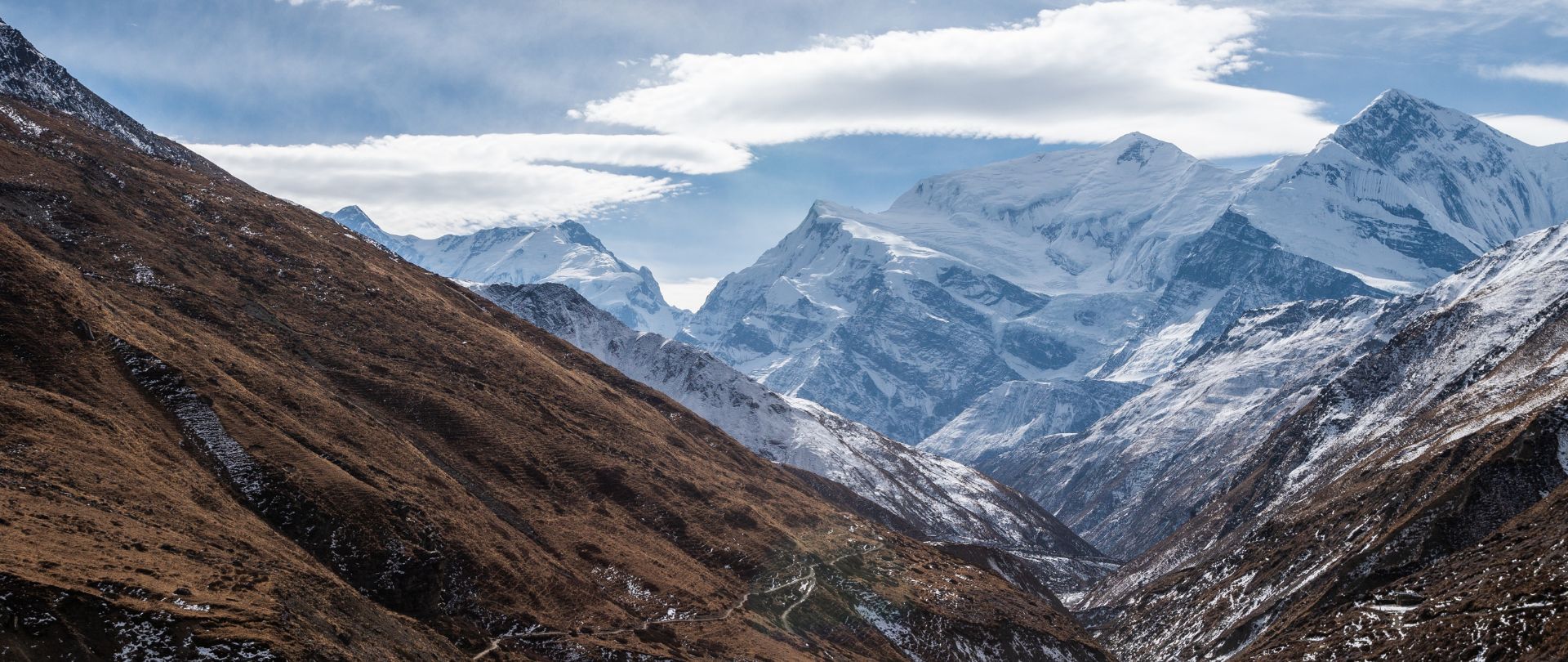
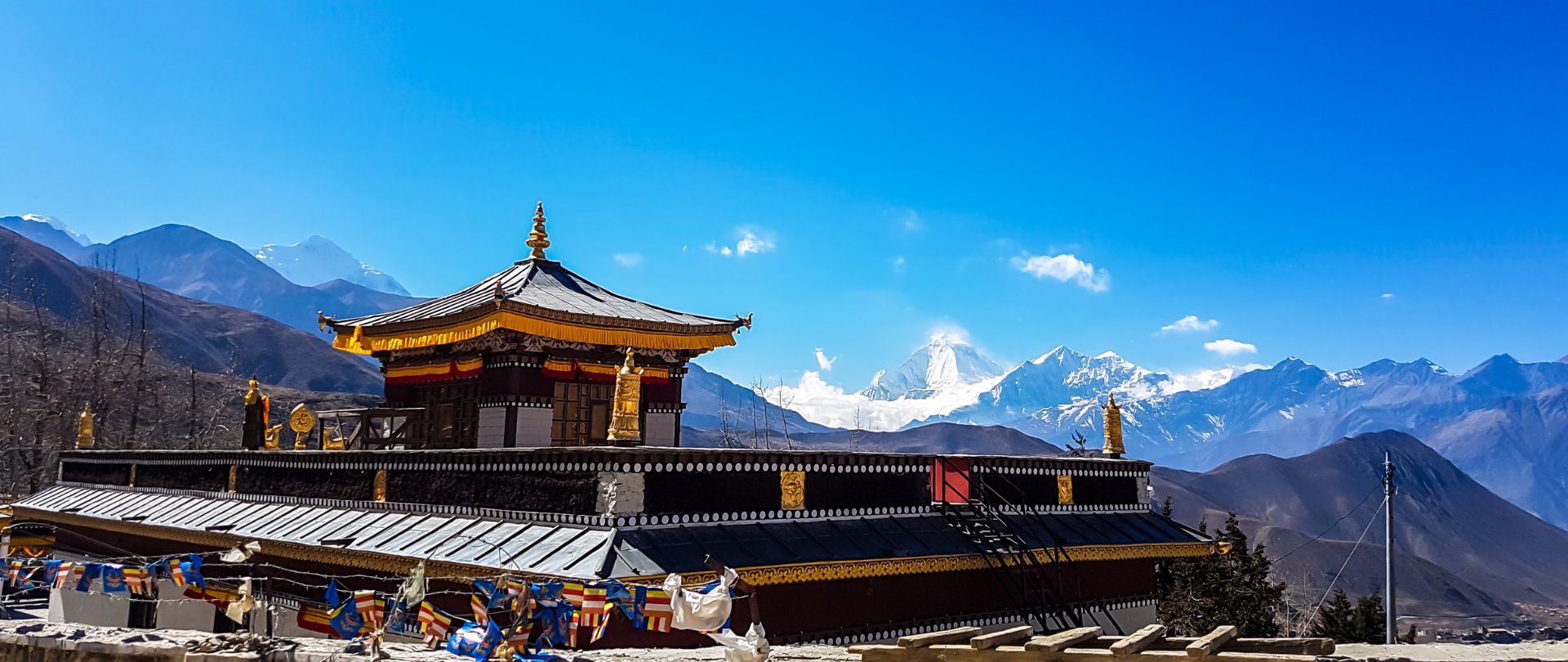
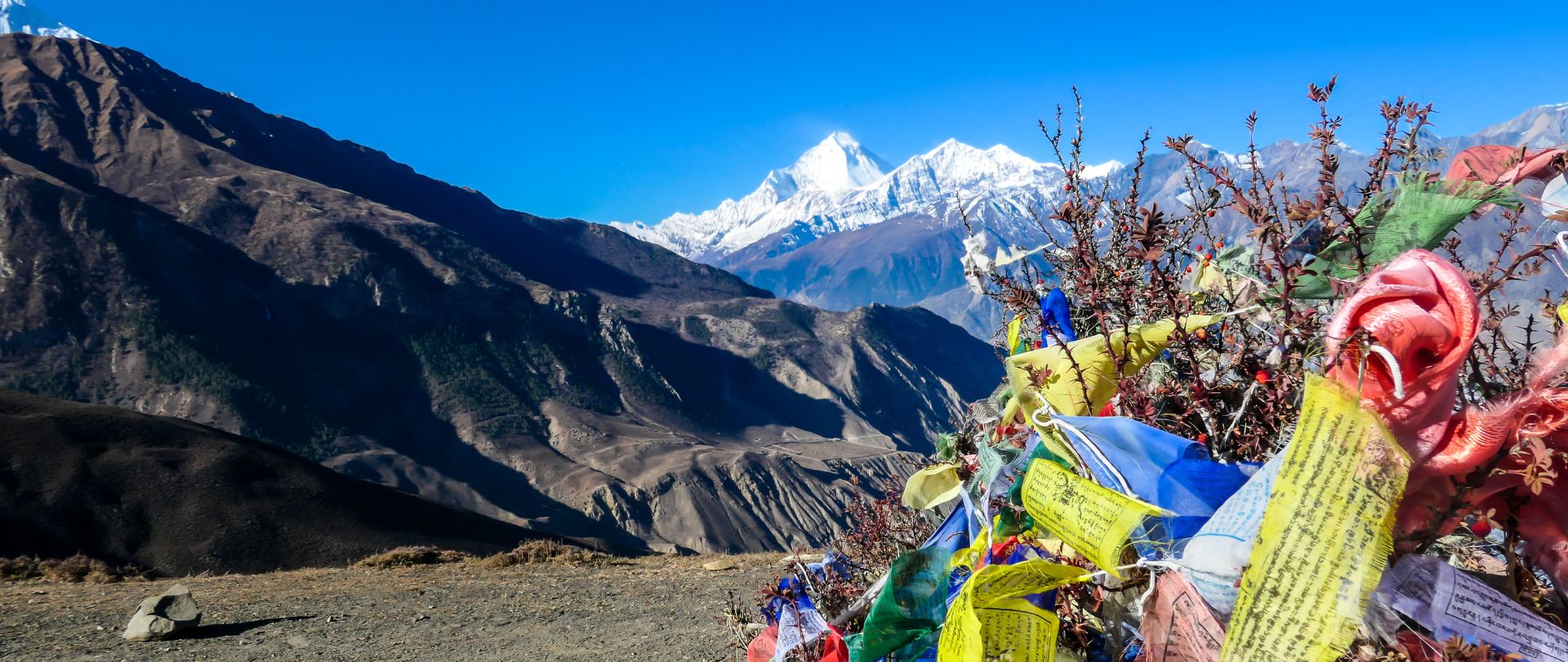
This powerful celebration unfolds amid the dramatic beauty of Upper Mustang, a land shaped by wind, stone and centuries of tradition. Trekking through this region is an experience in itself. Trails wind through quiet villages where chortens line the paths, mud-brick homes catch the light, and prayer flags ripple across the vast, open sky. The stillness of the landscape invites you to slow down and take it all in.
The journey is not considered high-altitude trekking and carefully paced for comfort, with time to adjust gradually to the elevation. You’ll feel the benefit of this well-crafted itinerary and enjoy the welcoming hospitality of local tea houses along the way. Evenings are slow and peaceful — stories by the fire, nourishing meals, and quiet moments in the high desert air.
For travellers drawn to deep cultural experiences and landscapes that stir the soul, the Tiji Festival in Upper Mustang offers something rare. It’s a chance to witness a living tradition and walk through one of the Himalaya’s most extraordinary regions — a journey that leaves its mark long after you’ve returned home.
Day 1
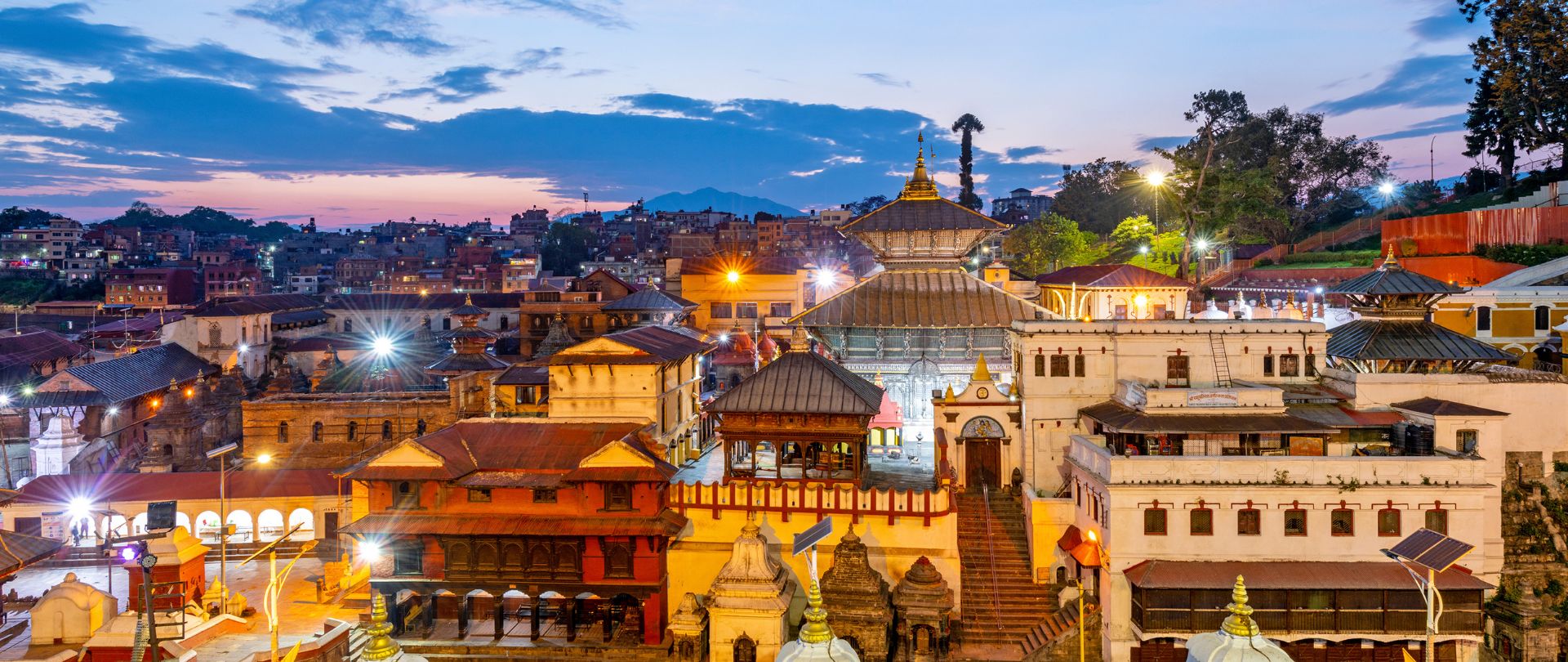
On arrival to Kathmandu, a Back Track representative will be there to welcome you and take you to the Kantipur Village Hotel in Thamel, your comfortable base in the heart of Kathmandu. Let us handle the logistics while you settle in and ease into the rhythm of the city.
Day 2
This morning, join your guide for a private walking tour through the old heart of Kathmandu. The two-hour walk takes you through bustling markets, narrow laneways and sacred sites, offering a genuine sense of the city’s long history. In the early afternoon, we gather at the hotel for your pre-trek briefing. This evening, enjoy a welcome dinner as our guest. (B,D)
Day 3
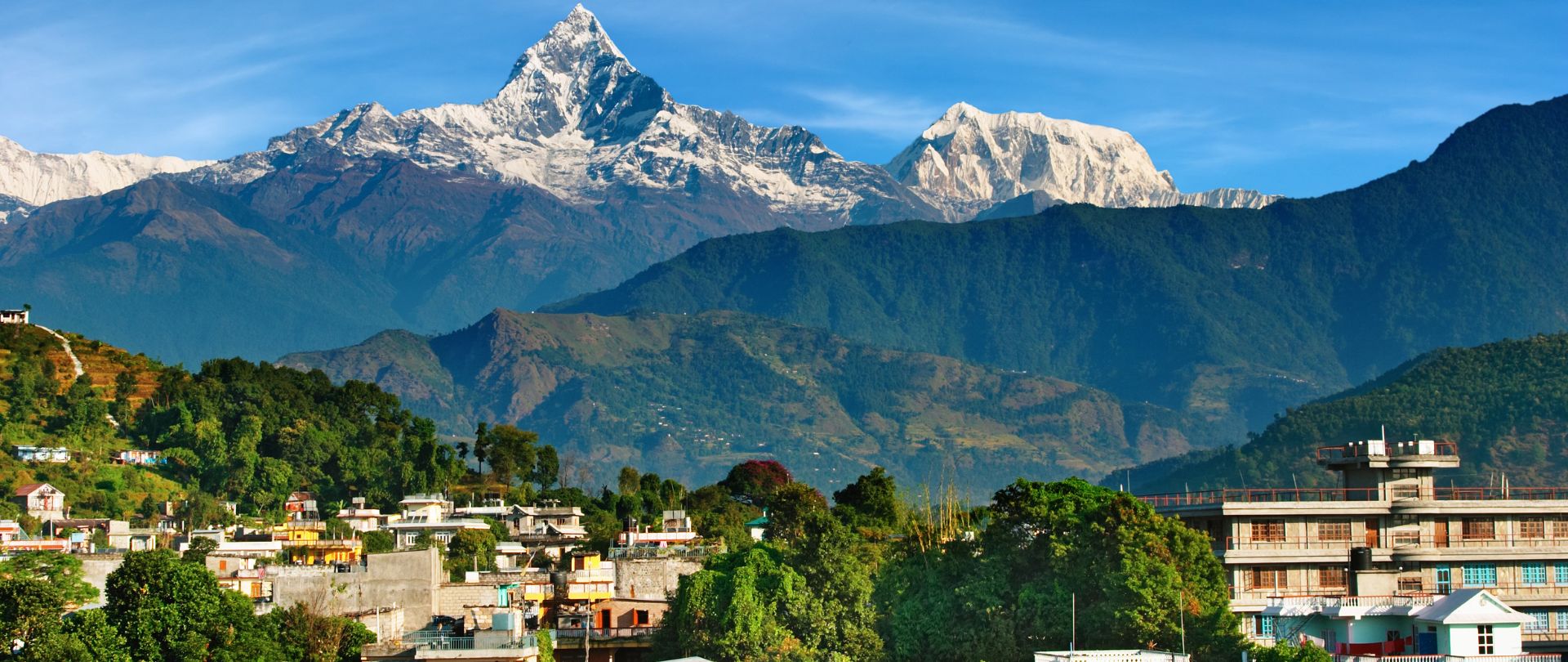
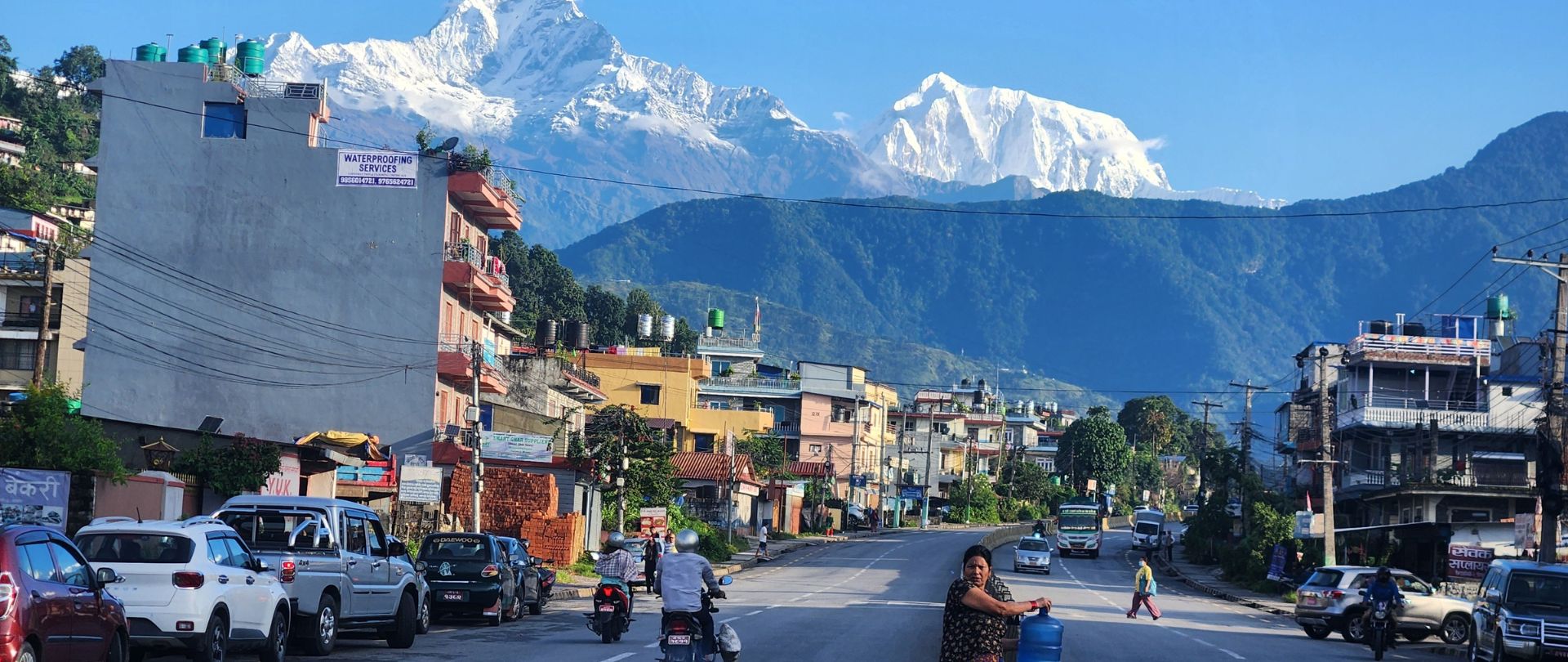
This morning you’ll fly from Kathmandu to Pokhara, a short and scenic journey into one of Nepal’s most picturesque regions. Our hotel sits within easy walking distance of the city centre, giving you time to explore this bustling gateway to the Annapurna region. (B,L,D) Flight time: approximately one hour
Day 4
This morning, take a short and scenic flight from Pokhara to Jomsom. From here, begin the trek towards Kagbeni, passing through the charming village of Marpha on the way. Today we follow the Kali Gandaki River, passing through traditional Thakali villages and the apple orchards of Marpha. As we approach Kagbeni, you'll start to notice the Tibetan influences that shape this region. (B,L,D) Flight time: 25 minutes, trekking time: 5 hours
Day 5
Chele marks the official starting point of the Upper Mustang trek, set on the eastern bank of the Kali Gandaki River. Today's trek takes you along scenic cliffs with expansive views of the Mustang landscape, and you'll meet locals along the way – glimpsing daily life in these cultural villages. (B,L,D) Trekking time: 5 hours
Day 6
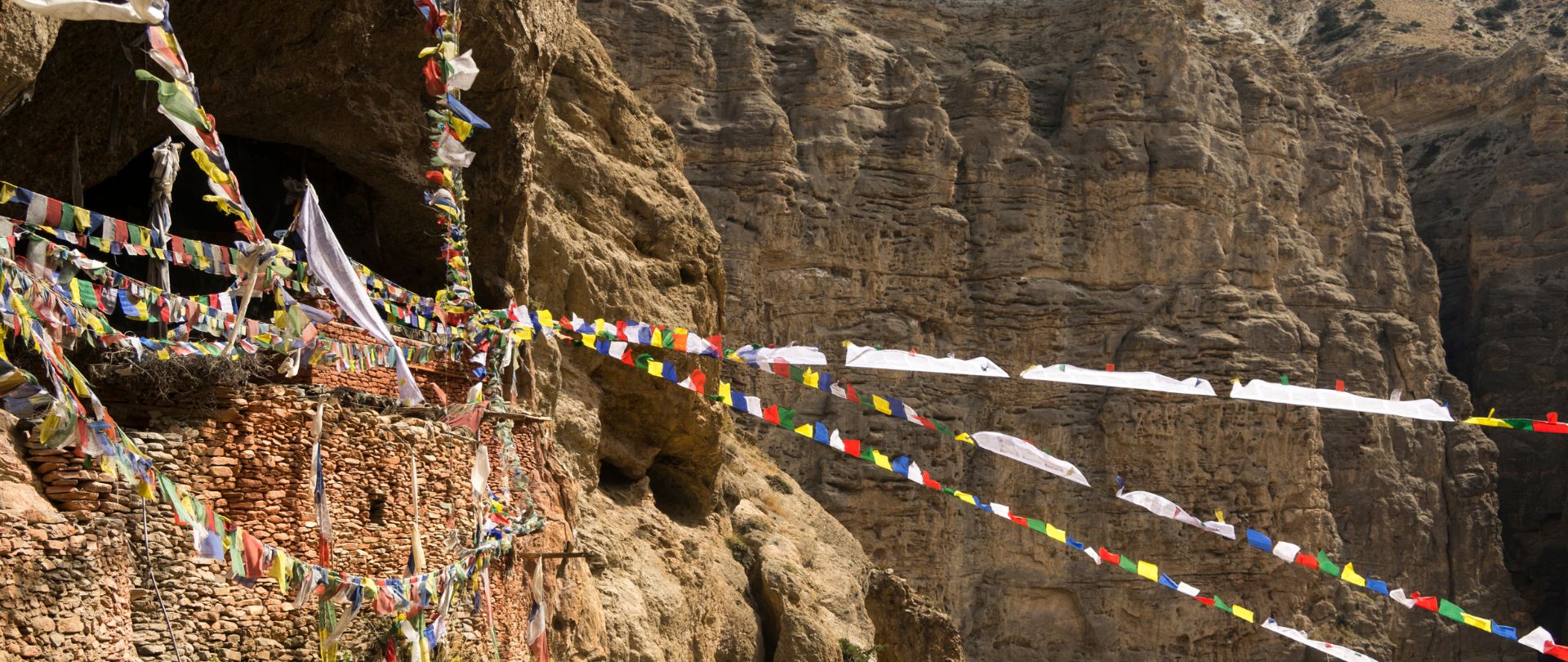
This small, whitewashed village with its chortens and prayer flags is a vital waypoint. The terrain here is striking, caves and desert-like hills create a landscape unlike anywhere else on the trek, offering views that reward every step. The Chungsi Caves are nearby and deeply significant to both Hindu and Buddhist communities, who believe Lord Shiva stopped here on his way to Mt Kailash, resident monks still inhabit these caves. (B,L,D) Trekking time: 6 hours
Day 7
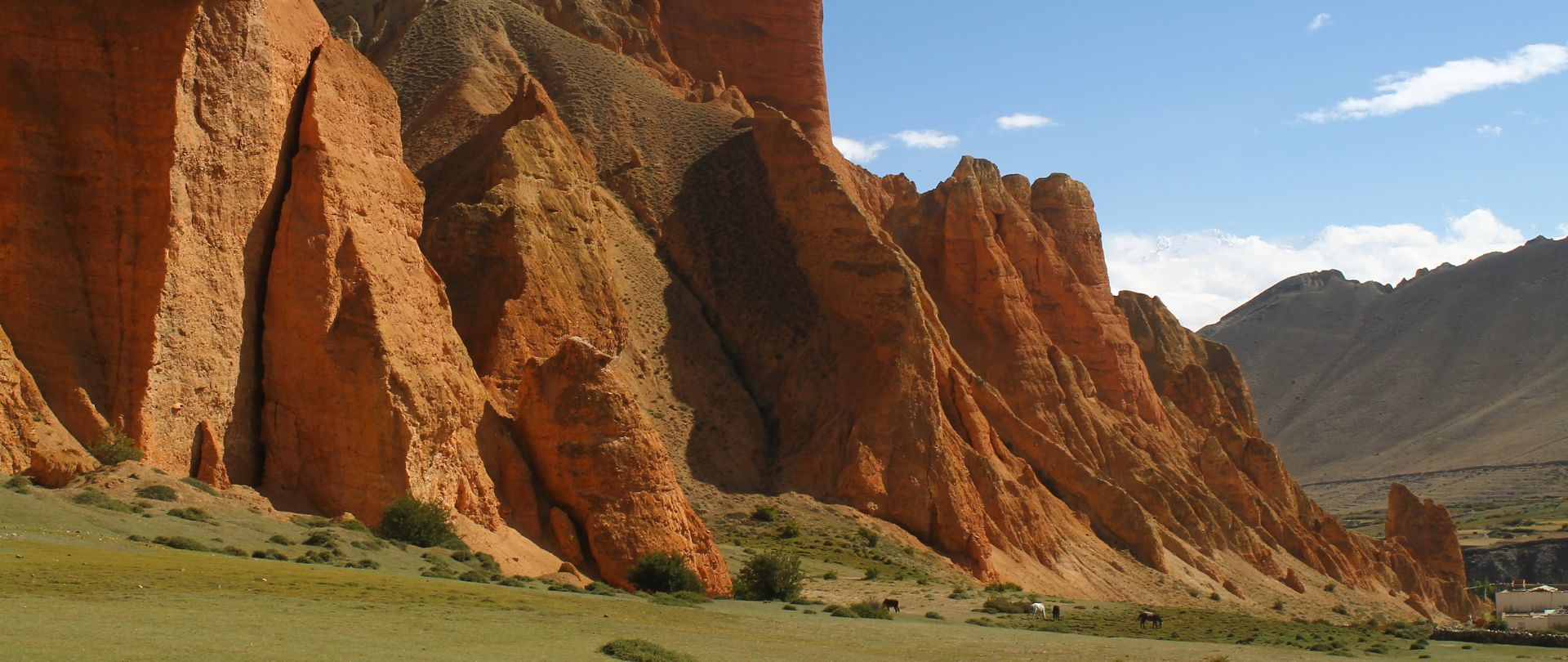
Dhakmar is a striking village framed by unique red cliffs and rock formations – the result of iron oxide in the soil – that create a dramatic contrast against the vivid blue sky. The cliffs themselves hold intricate carvings and paintings from Buddhist mythology. The homes here are built from mud brick, designed to withstand the harsh mountain climate. The people of Dhakmar, of Tibetan descent, are known for their warmth, and for their traditions of horse riding, archery, and dancing. (B,L,D) Trekking time: 6 hours
Day 8
Charang has stood since the 14th century, when it served as an important trade centre between India and Tibet. The village is home to several historical buildings, including Tsarang Palace – a beautiful example of traditional Tibetan architecture. The main draw is the Red Gompa monastery, built in the 14th century. Inside, the walls are adorned with intricate frescoes, statues, mandalas, and murals. It's considered the oldest and most important monastery in the Upper Mustang region. (B,L,D) Trekking time: 5 hours
Day 9
Today you reach Lo Manthang, the capital of the former Kingdom of Lo. Restricted from outside access until 1992, it remains one of the most well-preserved regions in the world. The 15th-century mud-brick walls still encircle the village, and traditional Tibetan-style houses line the narrow streets. For the next three days we will be at the heart of one of the Himalaya's most profound cultural celebrations. (B,L,D) Trekking time: 6 hours
Day 10-12
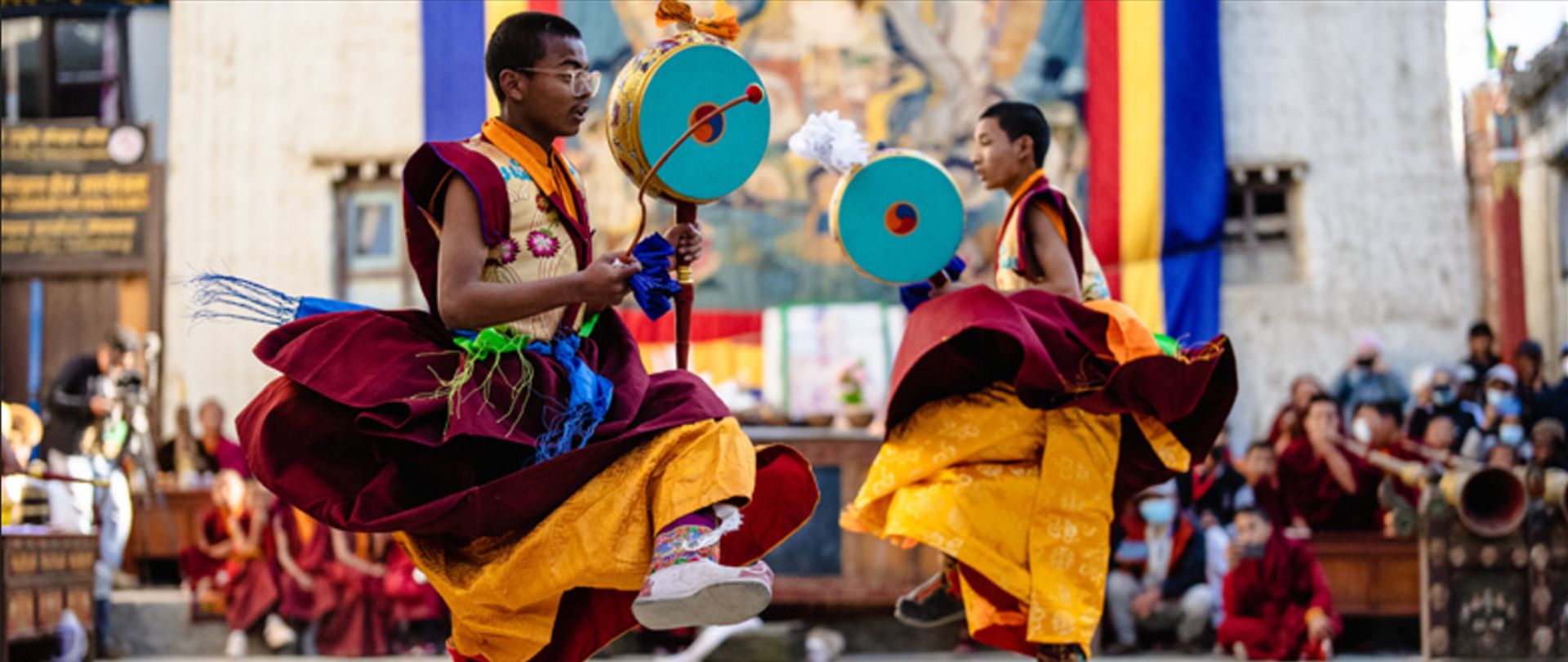
On day one, the festival opens with soulful chants and ceremonial dances performed by the monks of Lo Manthang. The 400-year-old hand-crafted thangka (scroll painting) is unveiled during morning meditations and prayers. On day two, masked monks perform powerful dances retelling the legend of Dorje Shunu, with vibrant costumes, weapons and dramatic energy transforming the square into a cultural spectacle. The final day centres on ritual ceremonies that symbolise the banishment of negativity, with energetic masked dances, community gatherings and a shared sense of peace and cultural connection. (B,L,D)
Day 13
After the intensity and joy of the festival, we resume our trek along the scenic trails of Upper Mustang. Ghami is an ancient village with a remarkable feature: an underground channel system called "kulos" that brings water to the fields for irrigation. These channels also power a unique water-driven prayer wheel near the village entrance – a beautiful blend of practicality and spirituality. (B,L,D) Trekking time: 5 hours
Day 14
The hills surrounding our trek today are grey and dramatic, showing the signs of how the weather has affected this ancient environment. Our day ends with the contrast of the green oasis that is Samar, a welcoming village, whose fertile terraces and shaded groves provide a welcome respite from the days trek. (B,L,D) Trekking time: 6 hours
Day 15
Chhusang sits where the Narshing River meets the sacred Kali Gandaki River. This picturesque village is framed by red cliffs and ancient sky caves, and it's known for its rich blend of Tibetan and Nepalese cultures.The local cuisine reflects this fusion – you'll taste momo’s with yak meat, buckwheat bread, and potato pancakes – simple, flavourful dishes that tell the story of this unique place. (B,L,D) Trekking time: 6 hours
Day 16
Today, we journey to Muktinath by vehicle, giving you a full day to explore one of the Himalaya's most revered spiritual sanctuaries. Hindus worship this as the gateway to moksha – the belief that those who visit with a pure heart are released from the cycle of rebirth. Buddhists revere it as Chumig Gyatsa, a sacred site and powerful natural mandala representing purity and compassion. For visitors of all backgrounds, it's deeply moving. Spend time at the peaceful Vishnu temple, feel the purifying spray of the 108 Mukti Dhara (sacred waterspouts), and witness the eternal flame – honoured by both faiths as a symbol of divine balance, a place where body, mind, and karma can be purified. (B,L,D) Drive time: 3 hours
Day 17
Today marks your final day on the trail. You descend back into the Kali Gandaki Valley, following the riverbed directly to Jomsom. The path avoids the dusty main road used by buses and jeeps, offering instead views of Mt Dhaulagiri and Nilgiri – a fitting finale to your time in these mountains. You'll spend the night in Jomsom, where you can rest and unwind after completing your journey through Upper Mustang. (B,L,D) Trekking time: 6 hours
Day 18
An early morning flight takes you back to Pokhara, flying through the Kali Gandaki Gorge – a final chance to see the landscape from a new perspective. After landing, we transfer you to your hotel, leaving the rest of the day free to explore this gateway city at your own pace.. (B) Flying time: 20 minutes
Day 19
Spend the day exploring Kathmandu at your own pace. The city is filled with temples, shrines and narrow streets that reveal centuries of cultural history. This evening, enjoy a farewell dinner at a nearby restaurant. (B,D) Flying time: 1 hour
Day 20
Our journey concludes after breakfast at the hotel. If you're departing Kathmandu today, we'll transfer you to the airport for your onward flight. (B)
$6,195 per person, twin share
13–15 May 2026
Day One – The Opening Blessings and Awakening
The festival opens with soulful chants and ceremonial dances performed by the monks of Lo Manthang. The 400-year-old hand-crafted thangka (scroll painting) is unveiled during morning meditations and prayers. Long copper
horns, cymbals, and drums welcome the sacred artwork as dancers process through the palace courtyard. The energy builds, awakening the gods and purifying the earth. You’ll feel the weight of centuries in every movement – this is a tradition brought to life.
Day Two – The Battle and the Dance
The second day draws you deeper into the festival’s cultural heart. Masked monks, beautifully adorned, bring to life the ancient legend of Dorje Shunu’s struggle to protect the region against destructive forces. A second thangka is revealed, and the dancing becomes more dynamic and combative. Weapons and animal masks are added to the performance as the story unfolds. The square fills with colour, movement, and cultural energy – an unforgettable highlight for visitors.
Day Three – The Closing Blessings and Harmony
The final day features the symbolic banishment of negativity, through meaningful rituals, including the destruction of an effigy representing victory of good over evil. Monks dressed as animals perform ceremonial dances that build in energy, sometimes continuing late into the evening. Locals in traditional dress gather, families come together, and you’re welcomed into a shared moment of peace, gratitude, and cultural connection.
As the final rituals fade, what remains is a quiet shift within you – a subtle, enduring feeling of spiritual renewal.