Sustainability language is everywhere in travel marketing at the moment, and a fair amount of it doesn’t hold up once you look past the wording. Aurora Expeditions is one of the operators where the substance is there. When so much else feels uncertain, it’s worth knowing that the choice of who you sail with actually makes a measurable difference.
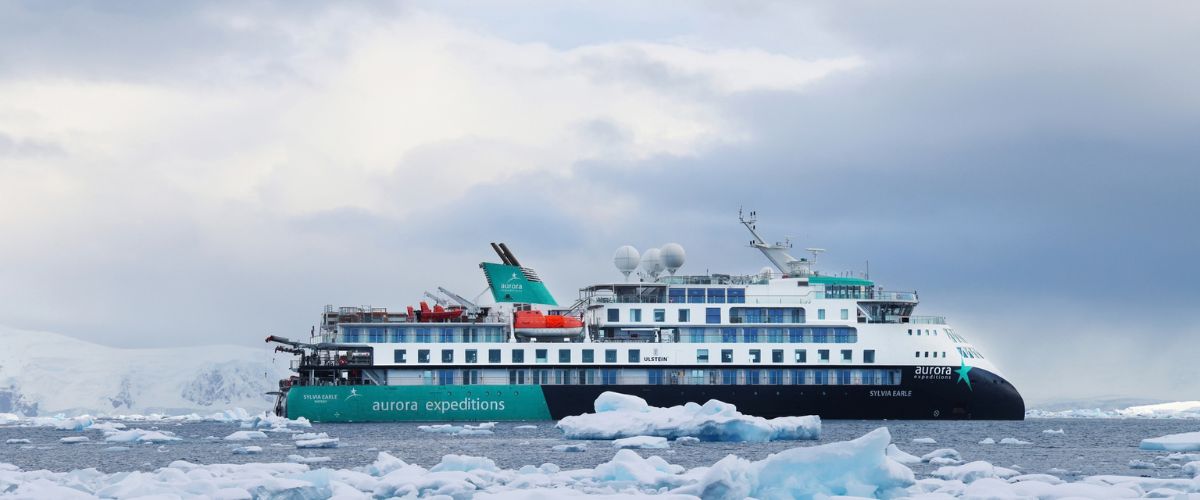
In January 2024, this small Australian company became a Certified B Corporation, one of only two operators taking travellers to Antarctica and the Arctic to reach that standard. It runs three ships and carries a fraction of the passengers of the big cruise lines, and it has built a genuine program around ocean regeneration, low-emission trials and citizen science, rather than a page of good intentions. Here’s what Aurora Expeditions’ sustainability actually looks like on board, plus a solo cabin offer worth knowing about for 2026 and 2027.
A Small Company With a Real B Corp Behind It
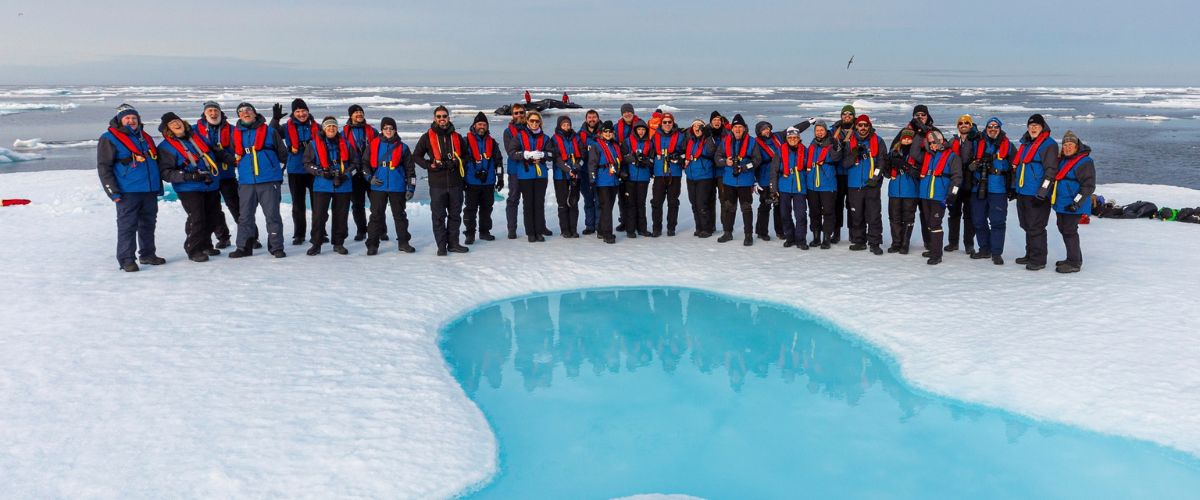
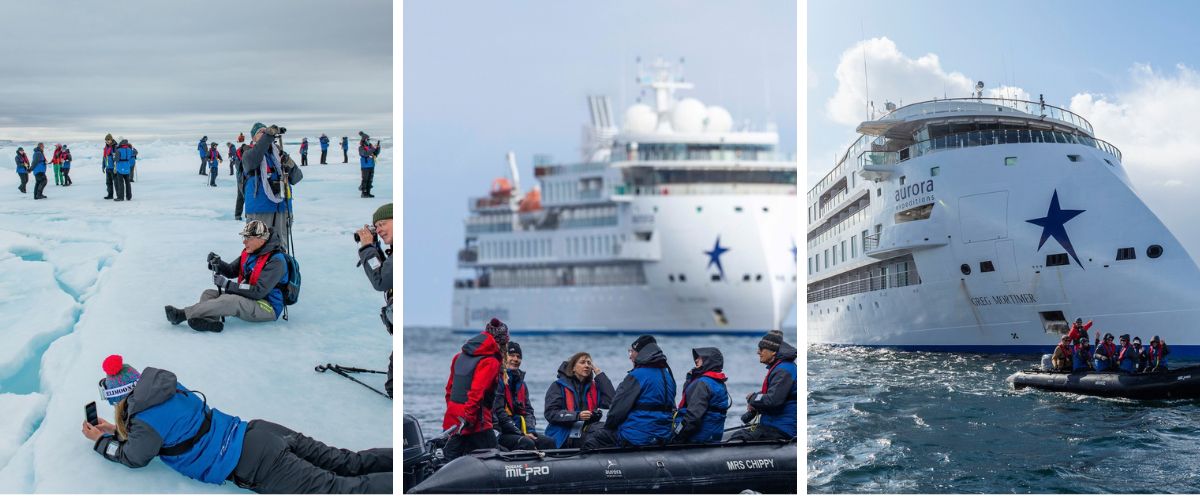
Aurora Expeditions was founded in 1991 by mountaineer Greg Mortimer and his wife Margaret, and has spent more than three decades running small ship voyages to the polar regions and beyond. Its fleet, the Greg Mortimer, the Sylvia Earle and the newest addition, the Douglas Mawson, carries a fraction of the guests you’d find on a mainstream cruise ship.
Becoming a B Corp isn’t a marketing exercise. Companies have to score at least 80 out of 100 across governance, workers, community, customers and environment to qualify, and the average business that attempts the assessment scores closer to 51. Aurora scored 87.5. That result puts it alongside Intrepid Travel as one of only two B Corp certified operators running expeditions to both Antarctica and the Arctic, and the certification has to be renewed every three years, so it isn’t a one-off badge on a website.
What Ambassadors for the Planet Actually Means
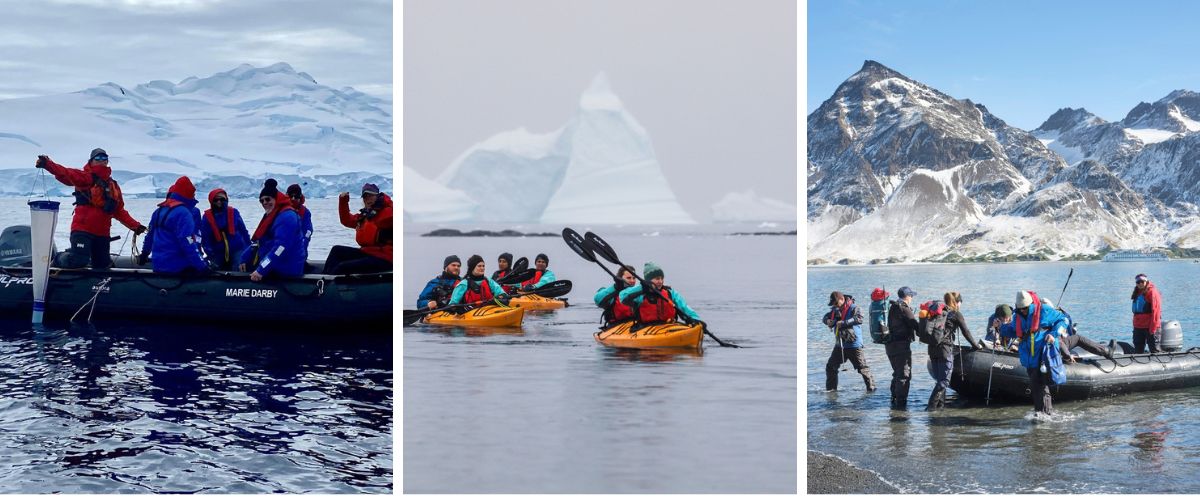
Aurora calls its travellers ambassadors for the planet, and backs the phrase with a working program rather than a slogan.
For every passenger who sails with Aurora, the company funds the removal of one kilogram of ocean-bound waste and the planting of one unit of new marine life, whether that’s seagrass meadows in Mallorca, kelp forests in British Columbia and Portugal, or coral restoration in Bali and Costa Rica.
Last Mediterranean season, the Sylvia Earle ran a trial on a biofuel made from reconstituted cooking oil, cutting emissions on that voyage by 97 per cent.
Aurora has also partnered with Australian climate-tech company CounterCurrent to feed satellite and sensor data on ocean currents straight to the bridge, helping captains plan routes that use less fuel across all three ships.
When the Douglas Mawson joined the fleet in December 2025, every washing machine on board was fitted with filtration that captures up to 99 per cent of the microplastic fibres that would otherwise wash into the ocean during a routine load of laundry.
Citizen Science: Where Travellers Become Contributors
Aurora runs a Citizen Science Program with The Polar Collective, covering seven projects that span whale identification, bird counts, cloud observation and water clarity testing, most of them delivered by the expedition team and a dedicated Citizen Science Coordinator during the voyage itself.
Guests photograph whale flukes for HappyWhale, log sightings for the bird database eBird, and lower a Secchi disk over the side to measure water clarity for long-term climate research.
The ships have hosted outside research teams too: penguin colony counts with Oceanites, whale sampling with the Friedlaender Lab, and reef surveys with Reef Life Survey. For travellers, it means coming home with more than photographs. You’ve actually added to the data.
Ten Solo Cabins on Every Voyage
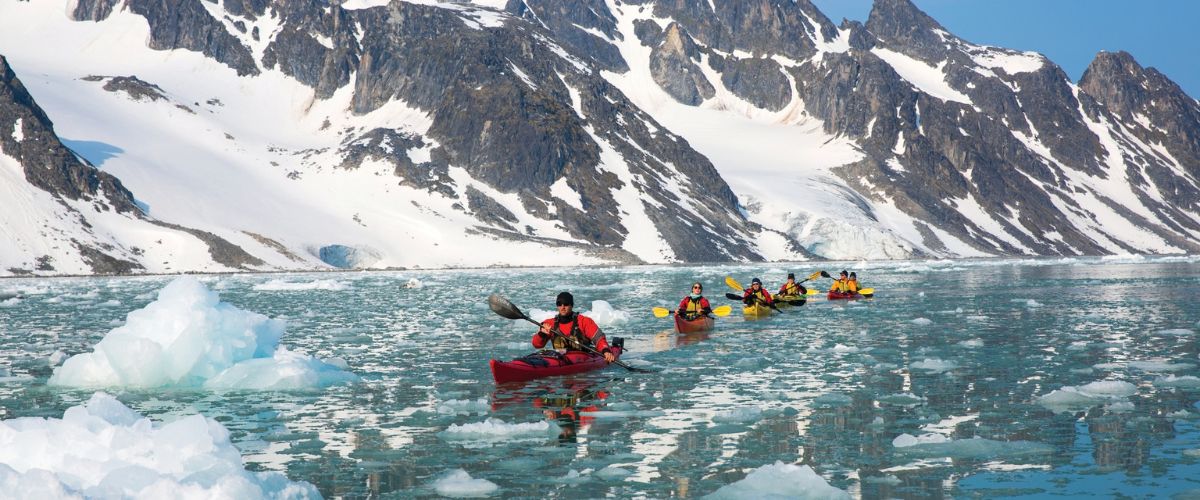
For travellers who like to go it alone, Aurora Expeditions holds ten dedicated solo cabins on every sailing across its Small Ship, Polar and Discovery seasons, with no single supplement attached.
If those cabins are booked out, or you’d rather have a specific stateroom or suite, you can pay a 50 per cent surcharge to book any available cabin instead, and that option can be combined with other current offers.
It’s a genuinely useful policy for the kind of traveller we work with most: independent, well-travelled, and not interested in paying double just to sail solo.
Why We Recommend Aurora Expeditions
We’ve been placing travellers on small ship expeditions since 1984, and Aurora is one of the operators we come back to for a simple reason: what they say lines up with what they do. When we talk you through a voyage, current departures or which offer applies to your dates, you’re working with a team who knows the fleet and the fine print, not just the brochure.
Ready to Talk Through Your Voyage?
If the Antarctic Peninsula, the Arctic or one of Aurora’s small ship seasons is on your list, get in touch with our team. We’ll talk you through current departures, cabin availability and how the solo offer applies to the voyage you have in mind.
FAQs
What does B Corp certification mean for Aurora Expeditions passengers?
It means the company is independently assessed and legally required to weigh the interests of workers, customers, community and the environment alongside profit, not shareholders alone. Aurora scored 87.5 out of 100 in its 2024 assessment, well above the 80 needed to qualify.
Is Aurora Expeditions’ sustainability program limited to Antarctica?
No. The ocean regeneration program, biofuel trials and low emission routing apply across the fleet. Some citizen science projects are specific to Antarctic voyages, while others, like HappyWhale and eBird, run more broadly.
How many solo cabins does Aurora Expeditions offer?
Ten dedicated solo cabins are held on every sailing across the Small Ship, Polar and Discovery seasons, with no single supplement.
Can solo travellers book a different cabin type instead?
Yes. If you’d prefer a specific stateroom or suite, or the dedicated solo cabins on your chosen voyage are sold out, you can pay a 50 per cent surcharge to book any available cabin, and this option can be combined with other offers.