If you love the idea of Europe but could do without the peak-season crowds, the Balkans deserve a serious look. This corner of the continent delivers dramatic coastlines, mountain ranges, historic towns, and a strong food culture, often at a price point that feels far more achievable than Western Europe.
At Back Track Adventures, we’re seeing more travellers ask for destinations that feel fresh, less busy, and a little more adventurous, without being complicated or uncomfortable. Albania and Montenegro are leading the charge, with nearby neighbours like North Macedonia, Bosnia and Herzegovina, and even parts of Serbia and Croatia offering incredible add-ons for those who want to go deeper.
Here’s why the Balkans are becoming one of Europe’s most appealing regions for adventurous travellers.
Your money goes further
Europe is not cheap right now, particularly in the usual hotspots. The Balkans, by comparison, still offer excellent value. For Australians, that often translates to better quality accommodation for the same budget, more room in the itinerary for experiences (guided hikes, private transfers, boat trips), and meals out that don’t blow the daily spend.
You can sit down to a generous, beautifully cooked meal, add a glass of local wine, and still feel like you’re travelling smart. Even in popular places like Kotor or along Albania’s coast, you’ll often find better value than Italy, France, or the UK in peak season.
Value also means flexibility. Many travellers are extending their stays because it simply makes sense to spend longer when the cost of living and travel logistics feel easier on the wallet.
It feels less crowded, more lived-in
One of the biggest reasons the Balkans are gaining popularity is simple: they feel less saturated. You can still find towns where tourism has not taken over, where local life continues at its normal pace, and where you do not need to book every restaurant weeks in advance.
Even in well-known areas, you’ll often be a short distance from somewhere quieter. That makes it ideal for travellers who prefer a slower, more immersive style of travel. You can spend time in a place, get to know it properly, and come home feeling like you experienced more than the obvious highlights.
Albania: Europe’s quiet achiever
Albania has shifted from “hardly on the radar” to one of Europe’s most talked-about destinations, and it’s easy to see why. It has a beautiful coastline, rugged mountains, fascinating history, and a growing confidence in its tourism offering, while still feeling refreshingly unpolished in the best way.
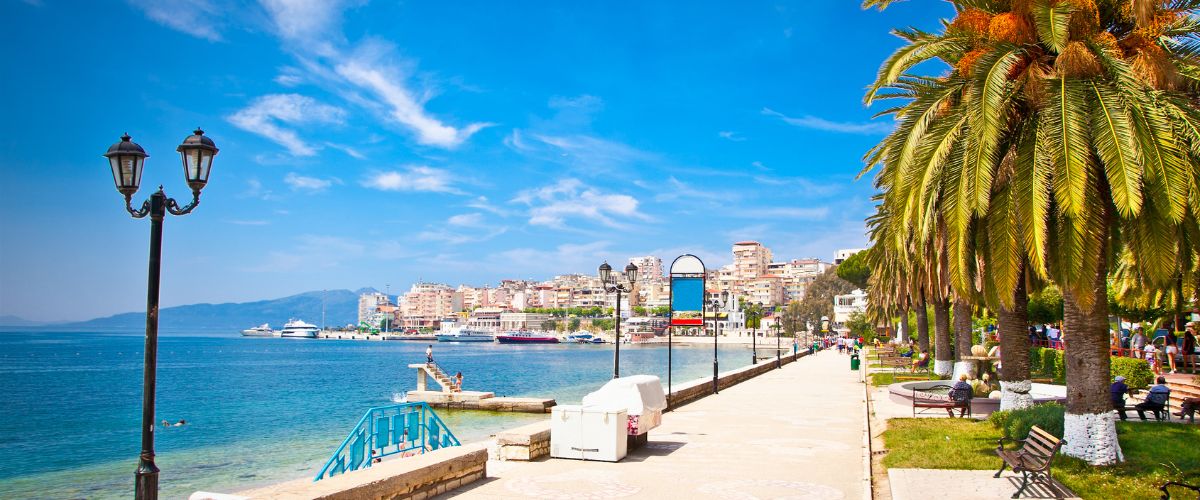
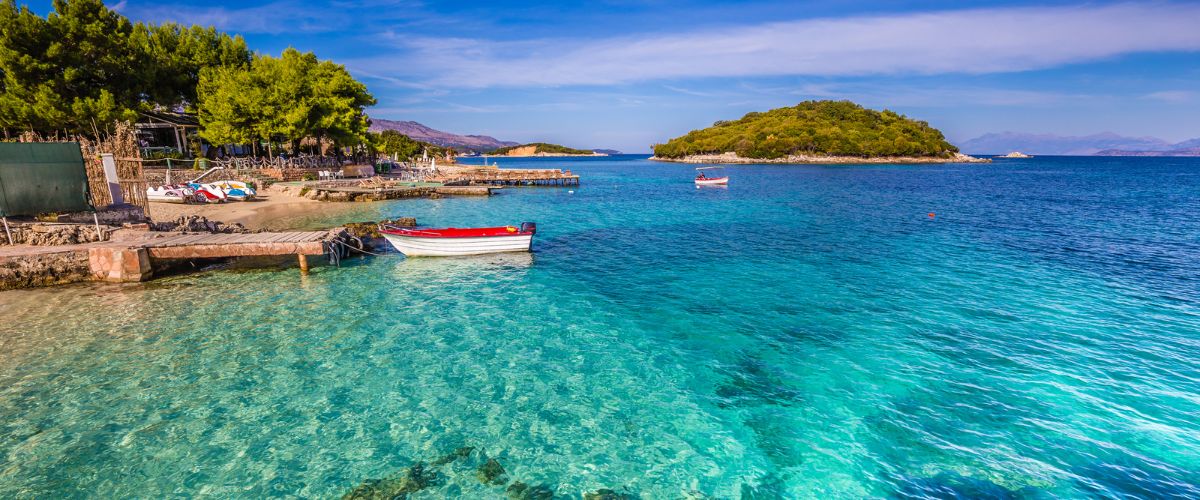
Along the Albanian Riviera, you’ll find clear water, small beach towns, and coastal drives that rival more famous Mediterranean routes. Head inland and you get Ottoman-era towns like Berat and Gjirokastër, with stone houses, castle views, and a strong sense of place.
For adventurous travellers, the Albanian Alps are a standout. The Valbona to Theth hike is becoming well known for good reason, offering big scenery, welcoming villages, and a genuine sense of achievement without needing technical trekking experience.
Albania also has a strong food culture that reflects its location at the crossroads of Europe and the Mediterranean. Expect grilled meats, fresh salads, local cheeses, seasonal vegetables, and plenty of seafood on the coast.
Montenegro: coastlines, mountains, and easy variety
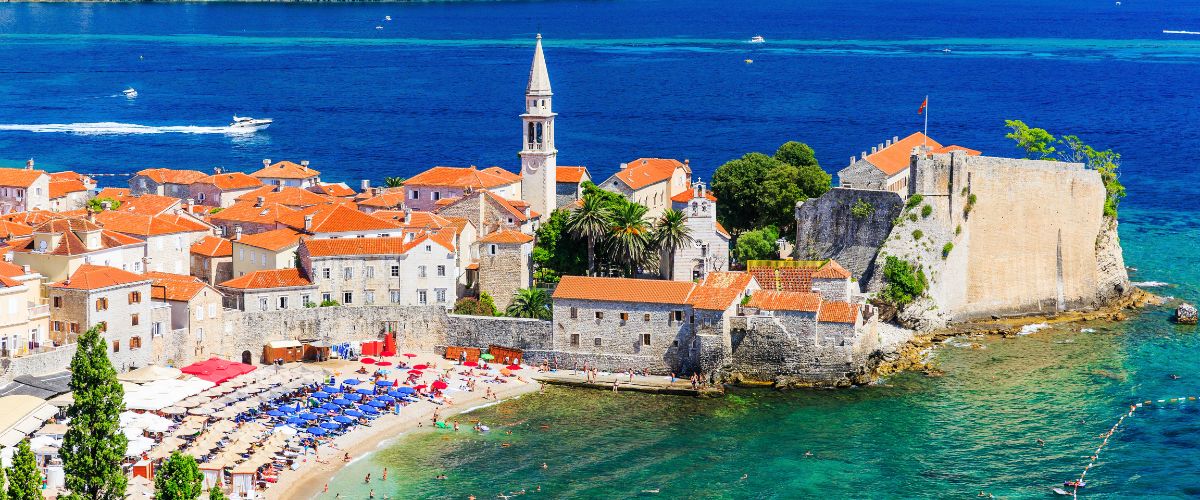
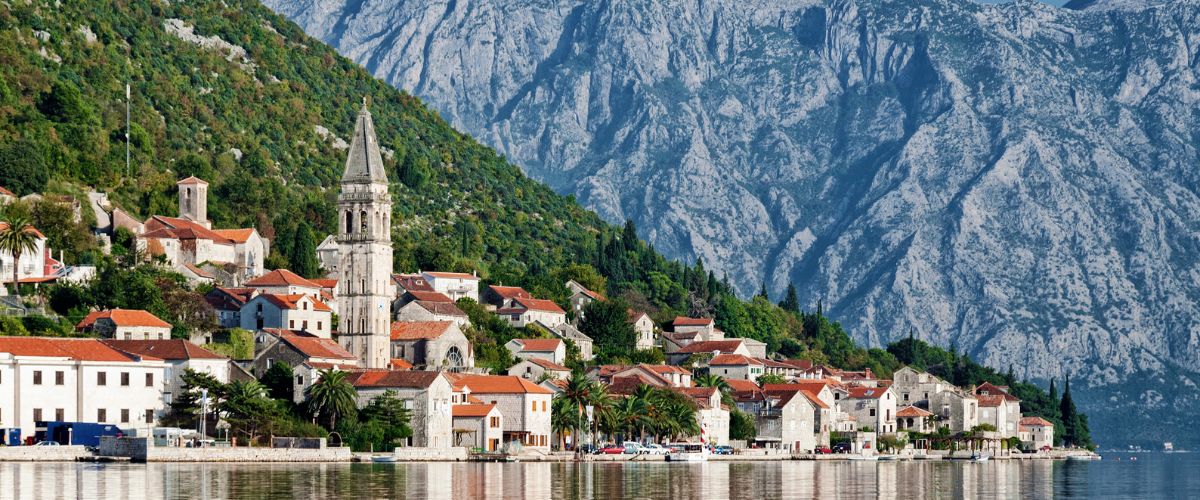
Montenegro packs a lot into a small country. The Bay of Kotor is a highlight, with its dramatic fjord-like scenery, fortress hikes, and photogenic old towns. It’s a place that suits travellers who like a mix of culture and walking, with plenty of viewpoints that feel earned.
But Montenegro is not only about the coast. Inland, the scenery shifts quickly into mountain landscapes, national parks, and canyons. Durmitor National Park is a great pick for hiking, lakeside walks, and scenic drives. The Tara River Canyon is often mentioned as one of the deepest in Europe, and it offers rafting and outdoor experiences for travellers who want more than sightseeing.
Montenegro is ideal if you want a trip that balances coastal relaxation with active days, without spending half your time on long transfers.
Beyond Albania and Montenegro: the Balkans get even better
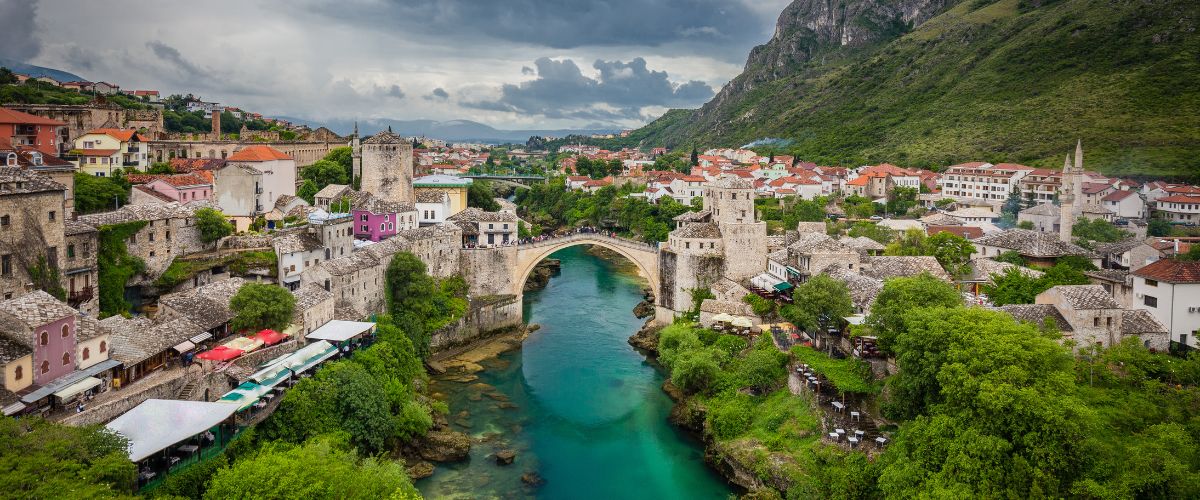
If you have the time, the real magic is building a multi-country itinerary. The distances are manageable, and each border crossing brings a noticeable shift in culture, landscape, and local flavour.
A few standout add-ons:
North Macedonia
Lake Ohrid is one of the most appealing stops in the region, with lakeside promenades, historic churches, and a relaxed pace that makes it perfect for a slower few days. It’s also a great place to enjoy local wine and regional cuisine.
Bosnia and Herzegovina
Mostar is a well-known name, but it’s the surrounding region that surprises travellers. You’ll find scenic drives, small villages, and a layered history that is best explored with a thoughtful guide. Sarajevo is also worth time, with its mix of architecture, markets, cafés, and cultural depth.
Croatia, away from the hotspots
Croatia can feel busy in summer, but there are plenty of quieter corners inland and along lesser-visited islands. When paired with Albania or Montenegro, it becomes a great “contrast destination”, giving you a taste of the Adriatic with room to breathe.
Culture feels close, not curated
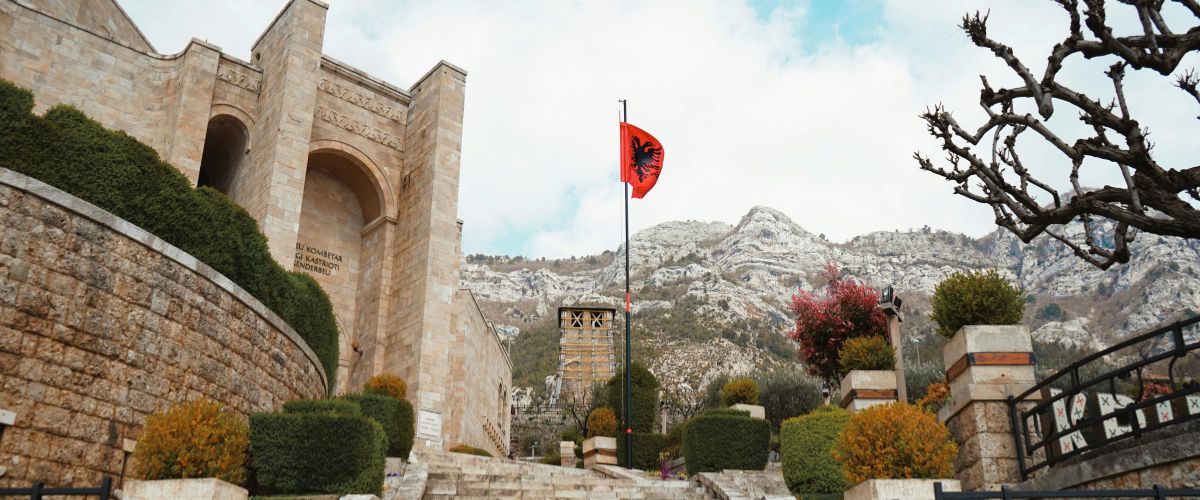
The Balkans are a region of strong identity and deep history. You’ll see the influence of Ottoman rule, Venetian trade routes, Austro-Hungarian architecture, and the more recent history that still shapes communities today.
What makes it compelling for travellers is that culture is not packaged. It is in the day-to-day. Coffee culture is serious. Food is seasonal and generous. Markets are busy. Town squares come alive in the evenings. And in many places, tourism is still growing, so interactions often feel more personal and less transactional.
It suits the way many people want to travel now
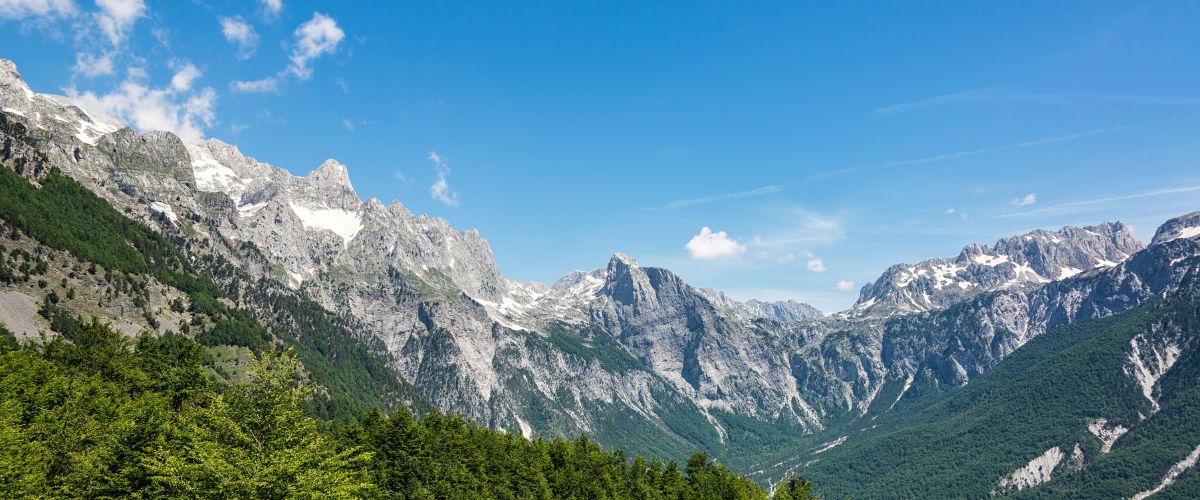
We’re seeing travellers prioritise experiences that feel real and active, but not exhausting. The Balkans suit that perfectly. You can hike one day, do a food and wine experience the next, then spend an afternoon by the water without feeling like you’re wasting time.
It also suits different styles of travel:
- Couples who want culture and scenery
- Friends groups who want a bit of adventure
- Families with older teens who want variety
- Solo travellers who want a social, welcoming region with good value
Planning tips for a Balkans trip
A few simple tips make a big difference:
- Travel shoulder season if you can. Late spring and early autumn are ideal for hiking and comfortable temperatures, with fewer crowds.
- Be realistic with driving times. Roads can be slower than expected in mountainous areas, so pacing matters.
- Mix coast and inland. The contrast is part of what makes the region so good.
- Use local guides for history and hiking. The stories and context are worth it, and it supports local communities too.
Ready to explore the Balkans with Back Track?
The Balkans are becoming popular because they offer what many travellers want right now: value, variety, cultural depth, and the feeling that you’ve discovered something a little different.
If you’re curious about Albania, Montenegro, or a multi-country Balkans itinerary, talk to the team at Back Track Adventures. We’ll help you match the right destinations to your travel style, build a well-paced plan, and include the kind of experiences that make the trip feel truly memorable.